Skip to product information
1 of 3

My Store

Organic Khapali Ghau (Emmer Wheat)

Organic Khapali Ghau (Emmer Wheat)

Regular price Rs. 175.00
Regular price Sale price Rs. 175.00
Sale Sold out
Weight
Quantity

Product Description

Khapali Ghau is an ancient variety of wheat known for its high fiber content and better digestibility compared to modern wheat. Prakriति Organics grows Khapali Ghau naturally, preserving its health benefits.

Farm Location: Pune

Tips to Store Organic Khapali Ghau

  • Store in an airtight container.
  • Keep in a dry, cool place.

Benefits of Organic Khapali Ghau

  • Easier to digest than regular wheat.
  • Rich in fiber and essential nutrients.
  • 100% chemical-free farming
View full details

Featured Products

Khapali wheat, also called emmer wheat, is one of those grains that has been around for a very long time. It’s not something new, but most people stopped using it when regular wheat became more common. Now it’s slowly coming back, especially among people who are trying to eat better and move towards organic vegetables and more traditional foods.
At Prakritii Organics, this wheat comes from farms in Maharashtra where it’s grown without chemical fertilisers or pesticides. The process is simple and closer to how it used to be done earlier. For people already looking at organic vegetables in Pune or trying to find better options for organic vegetables in Mumbai, switching to grains like khapali wheat is just part of the same change.
What makes khapali wheat different is that it hasn’t been heavily modified like modern wheat. It’s closer to the original form, which is why many people feel there’s a difference when they start using it.

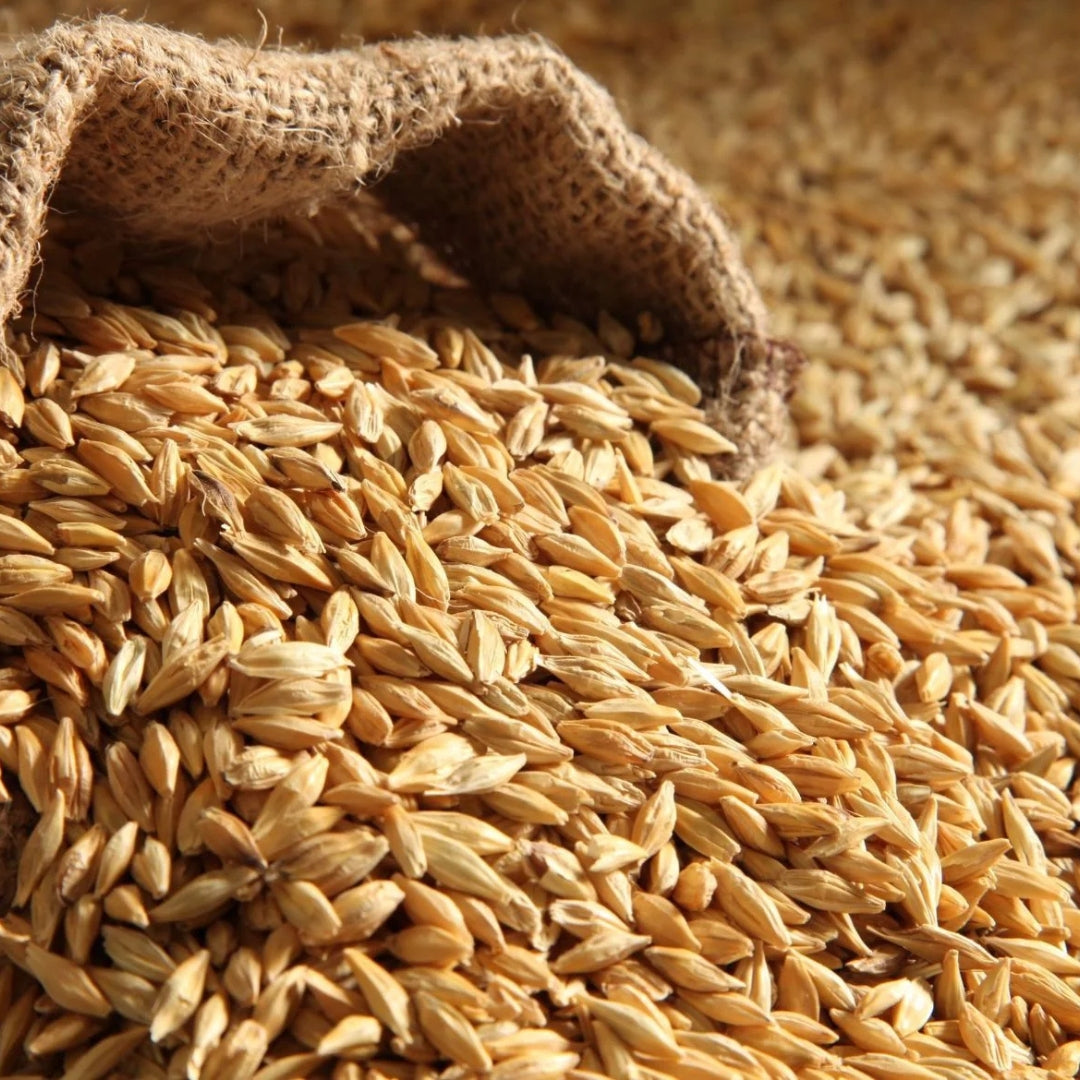
Organic khapali ghau grains spilling from a jute sack, showcasing their natural golden color

Why Families Prefer Prakritii Organics

Fresh, naturally grown produce sourced with care for families who value clean and mindful eating.

Regular Market Produce

Naturally grown and carefully sourced produce
No artificial ripening for selected fruits
Naturally fresh taste and texture
Farm-to-home freshness
Carefully selected quality produce
Organic khapali ghau grains spilling from a jute sack, showcasing their natural golden color

Health Benefits & Nutrition

One thing people often say about khapali wheat is that it feels easier to digest. It still contains gluten, but the way it affects the body can feel different for some people. It’s not a replacement for gluten-free food, but for regular use, many find it lighter.
It also has a good amount of fibre, which helps with digestion and keeps you full for longer. Along with that, it contains nutrients like iron and magnesium, which support general health.
Because it’s not heavily processed, it keeps more of its natural value. That’s one reason why people prefer it when they’re trying to move away from refined flour and processed food.

How to Use & Storage

The most common way to use khapali wheat is to grind it into flour and make chapatis or rotis. The texture is a bit different, slightly denser, and the taste is more earthy. Some people like it immediately, while others take a little time to adjust.
If you’re new to it, you can mix it with regular wheat flour in the beginning. That makes it easier to use and get used to the taste.
You can also cook the whole grains after soaking them, or even try sprouting if you want something different. It works well in simple meals.
For storage, whole grains can be kept in an airtight container in a dry place. If you make flour, it’s better to store it in the fridge and use it within a few weeks.

FAQs


Can't find what you're looking for? Reach out to us directly and our team will get back to you promptly.

Is khapali wheat the same as emmer wheat?

Yes. Khapali Ghau is the Marathi name for emmer wheat — one of the world's oldest cultivated grain varieties. It is the same grain known as "farro" in Italian cuisine and is distinct from modern commercial wheat in both genetic structure and nutritional composition.

Can people with wheat sensitivity eat khapali wheat?

Many people with mild wheat sensitivity find khapali emmer wheat easier to digest because its gluten structure is simpler than modern wheat. However, it is not suitable for people with coeliac disease, as it still contains gluten.

Does khapali wheat flour produce the same chapatis as regular atta?

Khapali chapatis have a slightly denser texture, darker colour, and richer, nuttier flavour than those made with commercial atta. Most people find the taste superior once they adjust to the texture. Mixing with a small amount of regular atta initially can ease the transition.

What is the difference between khapali wheat and sivor wheat?

Both are heritage Indian wheat varieties that are nutritionally superior to modern commercial wheat. Khapali (emmer) is a more ancient variety with a simpler genetic structure and is particularly noted for its digestibility. Sivor is a native Deccan variety with excellent flavour and protein content. Both are excellent choices.

How often should I consume khapali wheat for health benefits?

Khapali wheat can be used daily as your primary atta for chapatis and rotis — there is no upper limit for most healthy individuals. The benefits of its higher fibre, protein, and antioxidant content accumulate with regular daily consumption over weeks and months.