Skip to product information
1 of 3

My Store

Organic Aarvi (Colocasia Root)

Organic Aarvi (Colocasia Root)

Regular price Rs. 50.00
Regular price Sale price Rs. 50.00
Sale Sold out
Weight
Quantity

Product Description

Aarvi is a delicious, starchy root vegetable that enhances both taste and texture in various dishes. Grown organically, it is free from synthetic chemicals and rich in fiber, making it an excellent source of slow-digesting carbohydrates.

Farm Location: Pune

Tips to Store Aarvi

  • Keep in a dry, well-ventilated area to avoid moisture buildup.
  • Do not refrigerate as it may cause spoilage.

Benefits of Aarvi

  • Great for gut health and digestion.
  • Packed with vitamins C and E, supporting skin health.
  • Provides sustained energy and supports heart health.
View full details

Featured Products

Aarvi (also known as arbi or taro root) is a traditional root vegetable that’s been used in Indian cooking for a long time. In Maharashtrian homes, it’s often made into a simple bhaji that’s slightly crispy on the outside and soft inside.
At Prakritii Organics, the aarvi is grown without chemical pesticides or fertilisers. Since it grows under the soil, keeping the soil clean is especially important.
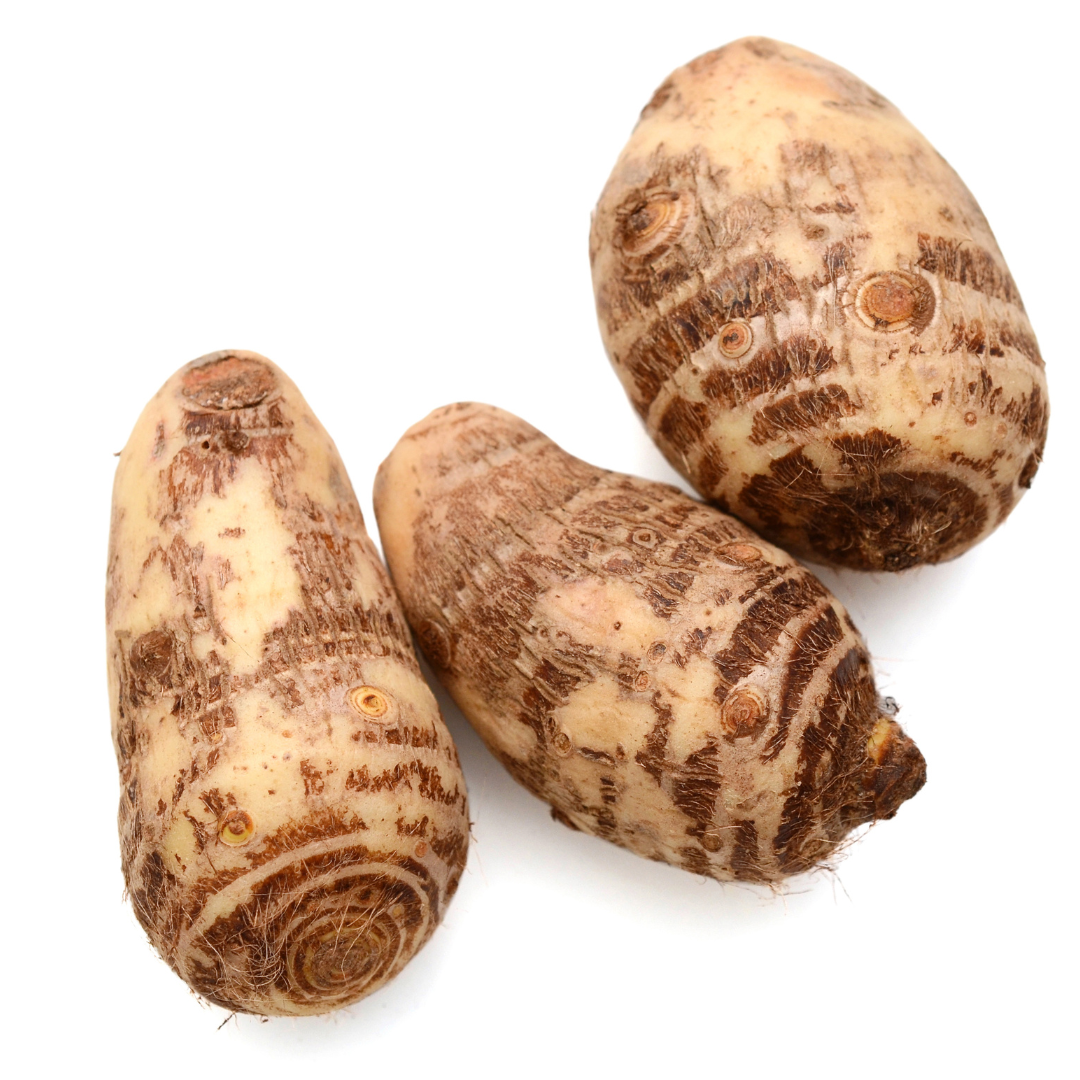
The aarvi you receive is usually small to medium in size - which is actually better for cooking, as it stays tender and cooks evenly.

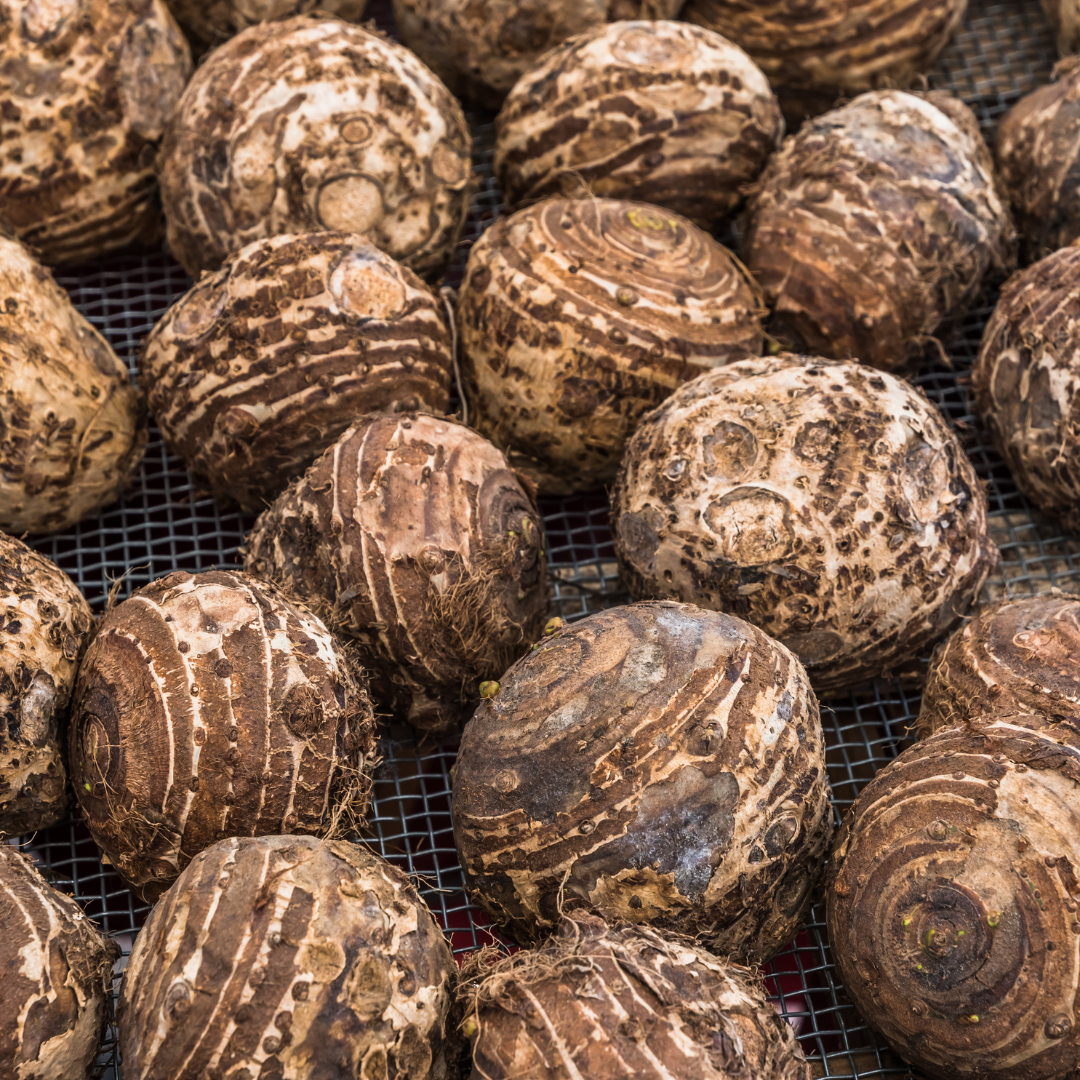
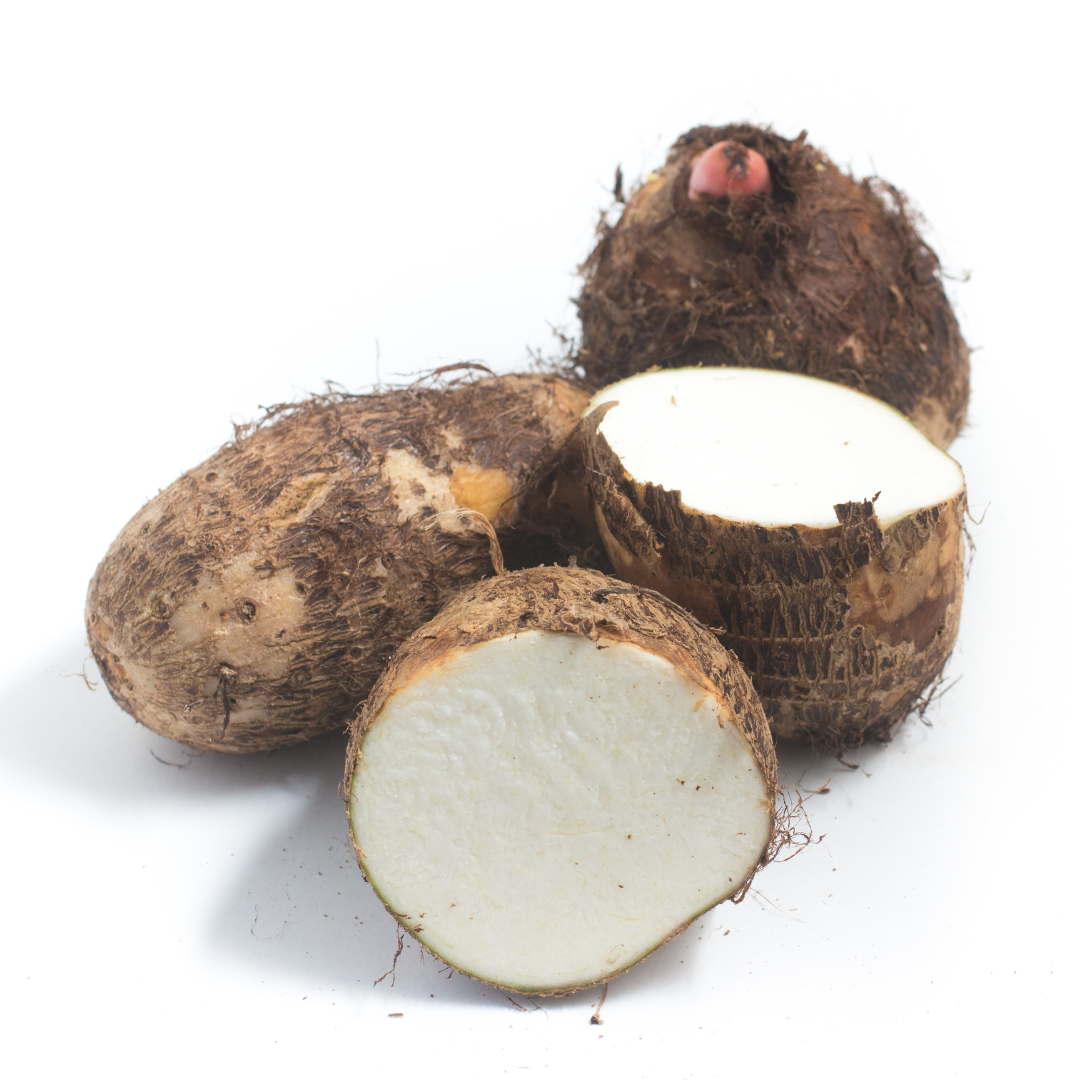
Fresh organic aarvi root with a textured brown skin, perfect for healthy recipes

Why Families Prefer Prakritii Organics

Fresh, naturally grown produce sourced with care for families who value clean and mindful eating.

Regular Market Produce

Naturally grown and carefully sourced produce
No artificial ripening for selected fruits
Naturally fresh taste and texture
Farm-to-home freshness
Carefully selected quality produce
Fresh organic aarvi root with a textured brown skin, perfect for healthy recipes

Health Benefits & Nutrition

Aarvi is a good, filling vegetable that works well in regular meals.
It provides fibre, some potassium, and other basic nutrients that support digestion and overall health. It also gives steady energy because it’s a starchy vegetable, similar to potato but with a slightly different texture.
It’s naturally gluten-free and easy to digest when cooked properly.

How to Use & Storage

Start by peeling the aarvi - it’s better to use gloves because raw aarvi can cause itching on the skin. After peeling, wash and boil or pressure cook it until soft.
Once cooked, you can slice and pan-fry it with mustard seeds, curry leaves, and spices to make a simple bhaji. It can also be used in curries or even made into cutlets.
Make sure it’s fully cooked before eating - undercooked aarvi can irritate the throat.
For storage, keep raw aarvi in a cool, dry place (not in the fridge). It usually lasts about 1–2 weeks. Cooked aarvi can be refrigerated and used within 2–3 days.

FAQs


Can't find what you're looking for? Reach out to us directly and our team will get back to you promptly.

Why does raw aarvi cause itching on the hands?

Raw taro root contains calcium oxalate crystals that cause a prickling, itching sensation when they contact skin. This is the same compound found in raw taro leaves (alu chi pan). Wearing gloves when peeling eliminates this issue entirely. The calcium oxalate is completely neutralised by thorough cooking - properly cooked aarvi causes no irritation.

Is aarvi root the same as suran (elephant foot yam)?

No - aarvi (taro root / Colocasia esculenta) and suran (elephant foot yam / Amorphophallus paeoniifolius) are different plants. Aarvi is smaller, rounder, and has a smoother-textured flesh that becomes stickier when cooked. Suran is much larger, denser, and has a drier, firmer texture. Both require wearing gloves when peeling raw due to calcium oxalate content, but they cook differently and are used in distinct preparations.

How do I know aarvi is completely cooked before eating?

Insert a knife or thin skewer into the centre of the largest piece - it should pass through with absolutely no resistance, like passing through soft butter. Any resistance indicates the taro needs more cooking. Undercooked taro still contains active calcium oxalate and will cause throat irritation when eaten. Always test before serving.

Can people with gluten intolerance eat aarvi root?

Yes - taro root is naturally gluten-free and is a suitable starchy food for people with gluten intolerance or coeliac disease. Its complex carbohydrate profile and digestive ease make it a useful substitute for wheat-based foods as a carbohydrate source. Confirm that any other ingredients used in the preparation are also gluten-free.

Why does cooked aarvi have a slightly sticky texture?

The slight stickiness of cooked taro comes from its mucilaginous starch content - taro contains a type of starch that produces a characteristic smooth, slightly sticky texture when cooked, distinct from the drier, fluffier texture of cooked potato. This quality is part of what makes aarvi unique as a root vegetable and why it crisps up so distinctively when pan-fried after boiling.