Skip to product information
1 of 3

My Store

Organic Ash Gourd (Kohala)

Organic Ash Gourd (Kohala)

Regular price Rs. 130.00
Regular price Sale price Rs. 130.00
Sale Sold out
Weight
Quantity

Product Description

Ash Gourd, or Kohala, is a cooling vegetable packed with hydration and nutrients. Prakriति Organics offers fresh, organic ash gourds that are grown without synthetic chemicals. It is commonly used in juices, curries, and traditional Ayurvedic remedies.

Farm Location: Pune

Tips to Store Organic Ash Gourd / Kohala

  • Store in a cool, dry place.
  • Cut and refrigerate for longer shelf life.
  • Use within 7-10 days for the best freshness.

Benefits of Organic Ash Gourd / Kohala

  • Hydrating and detoxifying properties.
  • Supports digestion and mental clarity.
  • Free from synthetic pesticides and chemicals.
View full details

Featured Products

Kohala (ash gourd), also known as white pumpkin, is one of those vegetables that isn’t used as often as it should be - but once you start cooking with it, you realise how useful it is. It has a mild taste, high water content, and works well in both simple home-style dishes and traditional recipes.
At Prakritii Organics, our ash gourd is grown without chemical pesticides or fertilisers. Since it has a naturally subtle flavour, growing it cleanly really helps preserve its natural taste.
Each piece is fresh, firm, and cut at the right stage so it cooks well and doesn’t feel watery or bland.

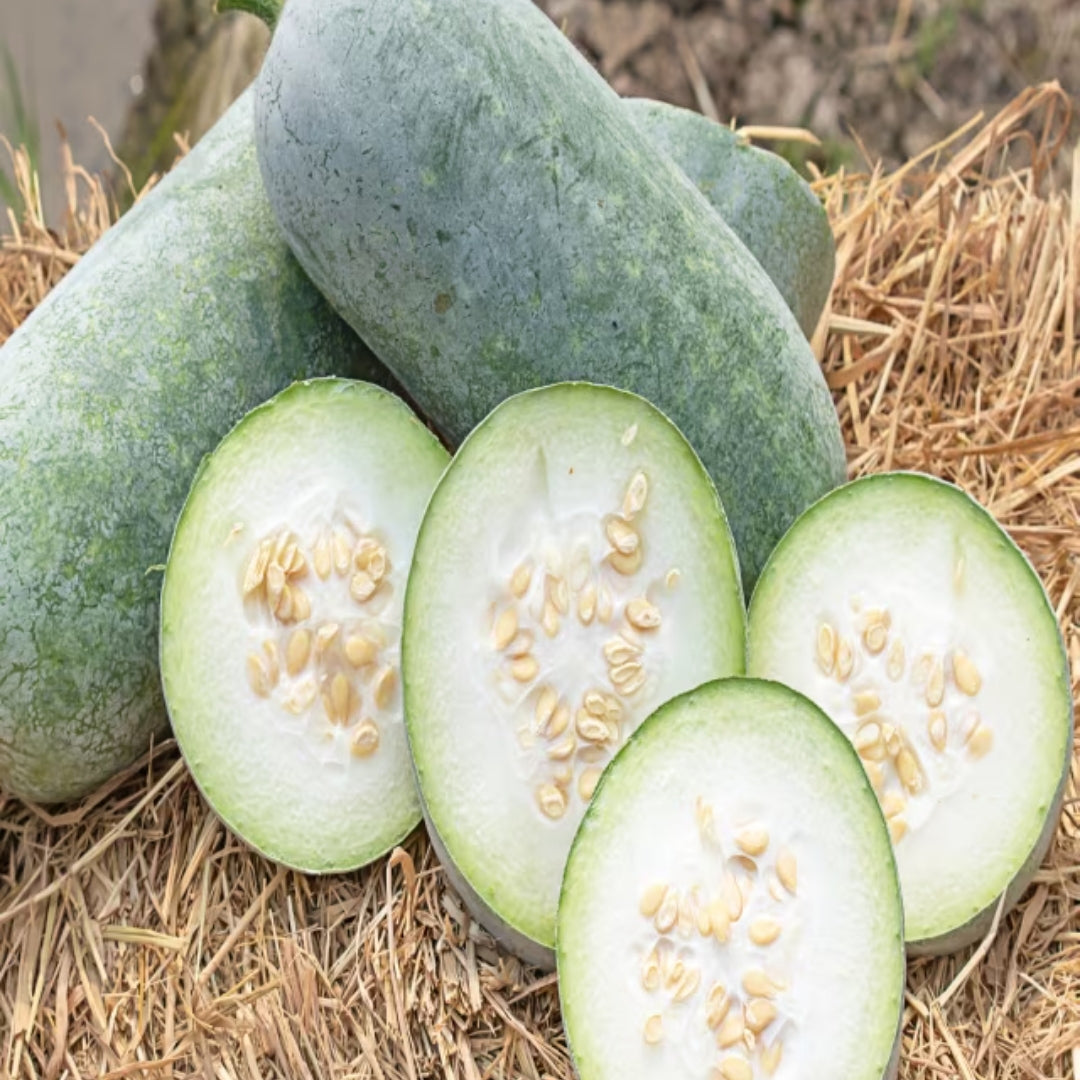
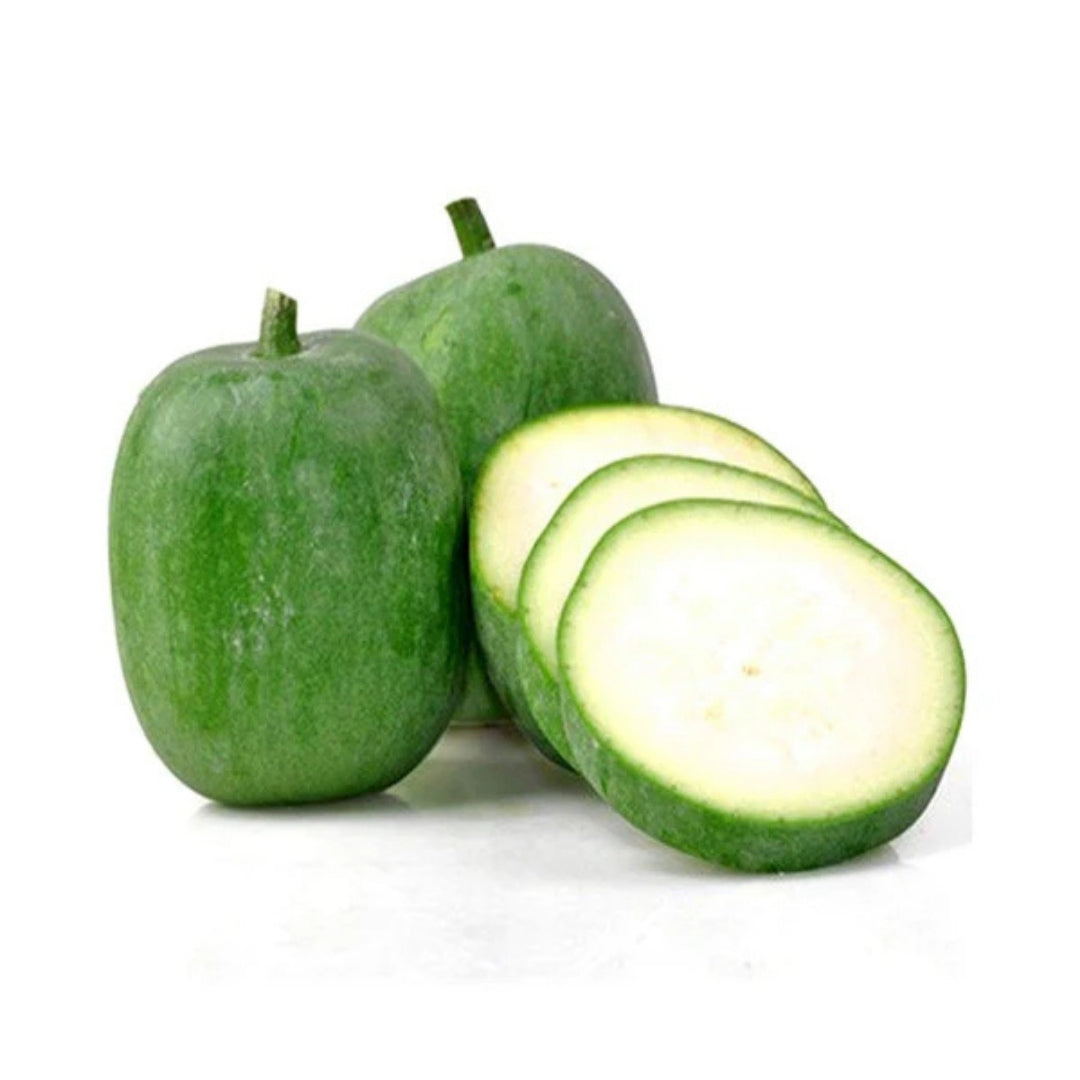
Fresh organic ash gourd with sliced pieces, perfect for healthy cooking and salads

Why Families Prefer Prakritii Organics

Fresh, naturally grown produce sourced with care for families who value clean and mindful eating.

Regular Market Produce

Naturally grown and carefully sourced produce
No artificial ripening for selected fruits
Naturally fresh taste and texture
Farm-to-home freshness
Carefully selected quality produce
Fresh organic ash gourd with sliced pieces, perfect for healthy cooking and salads

Health Benefits & Nutrition

Ash gourd is mostly water, which makes it a very hydrating vegetable - especially helpful in hot weather.
It’s light on the stomach, easy to digest, and low in calories, so it fits well into everyday meals without feeling heavy. It also provides small amounts of vitamin C, fibre, and minerals that support overall health.
In traditional diets, it’s often considered a “cooling” food, which is why many people include it more during summer.

How to Use & Storage

Ash gourd needs to be peeled and the soft seeds inside removed before cooking.
Add to dal or amti for a light, comforting dish
Make a simple sabzi with mustard seeds, curry leaves, and coconut
Use in soups for a mild, smooth texture
Blend into juice for a refreshing summer drink
It cooks quickly and absorbs flavours well, so it works nicely with both simple and spiced preparations.
Store whole pieces at room temperature for a few days. If cut, wrap and keep in the fridge, and use within 3–4 days.

FAQs


Can't find what you're looking for? Reach out to us directly and our team will get back to you promptly.

What is kohala called in English and why is it called ash gourd?

Kohala is the Marathi name for ash gourd - botanically Benincasa hispida, also known as white pumpkin or winter melon. The English name "ash gourd" refers to the powdery, ash-like coating that develops on the outer surface of mature fruits as they ripen - a natural characteristic of the variety, not a defect.

Is ash gourd juice safe to drink?

Ash gourd juice from fresh, non-bitter organic kohala is consumed as a cooling drink in various traditional health practices. Taste a small piece of the raw, peeled flesh before juicing - it should taste very mild and neutral. Unlike bitter bottle gourd (dudhi), ash gourd does not have the same cucurbitacin toxicity risk, but any unexpectedly bitter or off-tasting gourd should be discarded. Ash gourd juice is best consumed in modest amounts as part of a balanced diet.

How is ash gourd (kohala) different from bottle gourd (dudhi)?

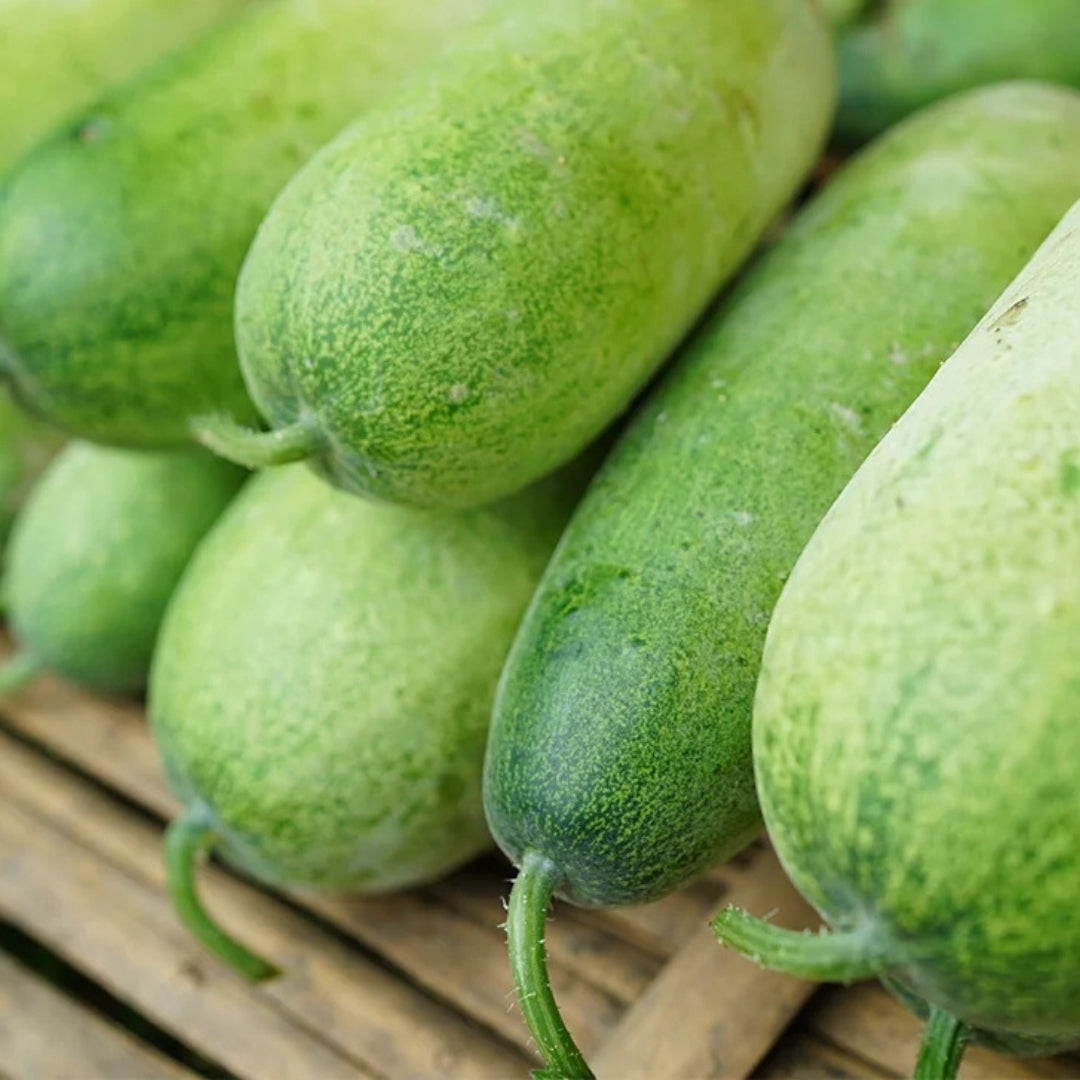
Both are large gourds used in Indian cooking, but they are different vegetables. Ash gourd (kohala) has a pale grey-green exterior with a firm, slightly waxy surface and very light-coloured flesh. Bottle gourd (dudhi) has a smooth, brighter green exterior and similarly pale flesh. Their flavours, textures, and traditional uses differ - kohala is slightly denser and used more in Ayurvedic preparations, while dudhi is more commonly used in everyday dal and sabzi cooking.

Does ash gourd need to be cooked before eating?

Ash gourd is most commonly cooked in Indian preparations. The raw flesh can be juiced or consumed raw in small amounts, but for sabzi and amti preparations it is always cooked. Unlike some gourds, ash gourd does not require a bitterness test as a safety measure, but tasting the raw flesh for unusual bitterness before cooking is a good practice for any large gourd.

Is organic ash gourd available year-round from Prakritii?

Ash gourd is available for a significant portion of the year in Maharashtra and stores well in its whole form, which extends its market availability beyond its growing season. Prakritii stocks organic kohala during its availability period and updates the website when fresh stock is in. The thick outer rind means it has a longer post-harvest life than most vegetables.