Skip to product information
1 of 3

My Store

Organic Bitter Gourd

Organic Bitter Gourd

Regular price Rs. 40.00
Regular price Sale price Rs. 40.00
Sale Sold out
Weight
Quantity

Product Description

Bitter Gourd, or Karle, is a highly nutritious vegetable known for its health benefits. Prakriति Organics provides fresh, organic bitter gourds free from synthetic chemicals. It helps control blood sugar, supports digestion, and boosts immunity. It is commonly used in stir-fries, curries, and juices for its medicinal properties.

Farm Location: Pune

Tips to Store Organic Bitter Gourd / Karle

  • Store in a cool, dry place or the refrigerator.
  • Wrap in a paper towel to absorb excess moisture.
  • Use within 4-5 days for the best taste.

Benefits of Organic Bitter Gourd / Karle

  • It helps manage blood sugar levels.
  • Boosts immunity and detoxifies the body.
  • Free from synthetic pesticides and chemicals.
View full details

Featured Products

Karela (bitter gourd) is one of those vegetables that people either really like or completely avoid. The bitterness can be strong, especially if you’re not used to it - but for many, it’s something they’ve grown up eating.
At Prakritii Organics, our karela is grown without chemical pesticides or fertilisers. Since it’s often eaten for its health benefits, keeping it as natural as possible just makes sense.
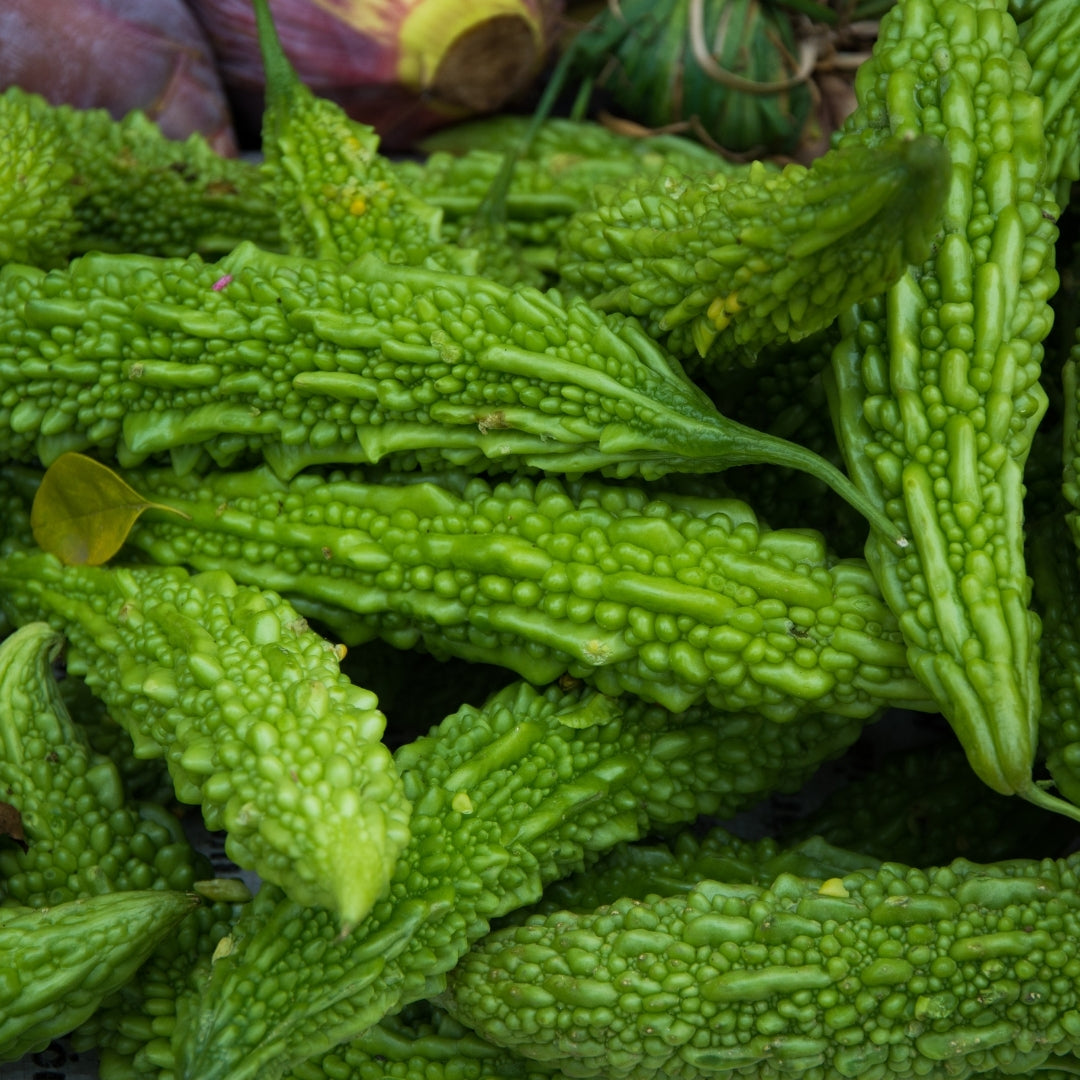
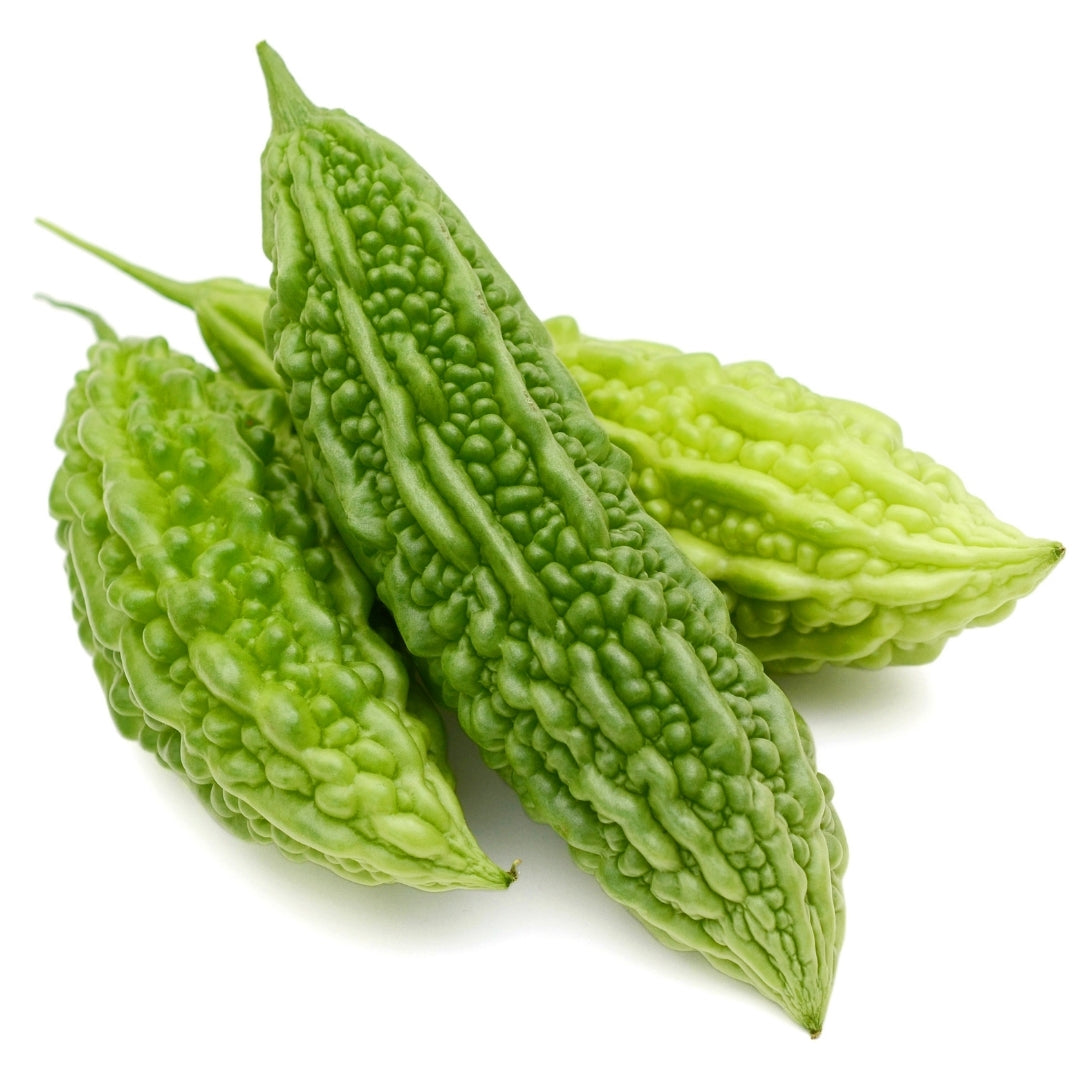
The karela you receive is fresh, firm, and green - not too soft or overripe.

Chemical-free karela vegetable online | Prakritii organics

Why Families Prefer Prakritii Organics

Fresh, naturally grown produce sourced with care for families who value clean and mindful eating.

Regular Market Produce

Naturally grown and carefully sourced produce
No artificial ripening for selected fruits
Naturally fresh taste and texture
Farm-to-home freshness
Carefully selected quality produce
Chemical-free karela vegetable online | Prakritii organics

Health Benefits & Nutrition

Karela is commonly known for its role in managing blood sugar. That’s one of the main reasons people include it regularly in their meals.
It also has fibre, vitamin C, and some minerals like iron and potassium. Along with that, its natural bitterness is believed to support digestion.
It’s a simple vegetable, but one that’s often used more for health than just taste.

How to Use & Storage

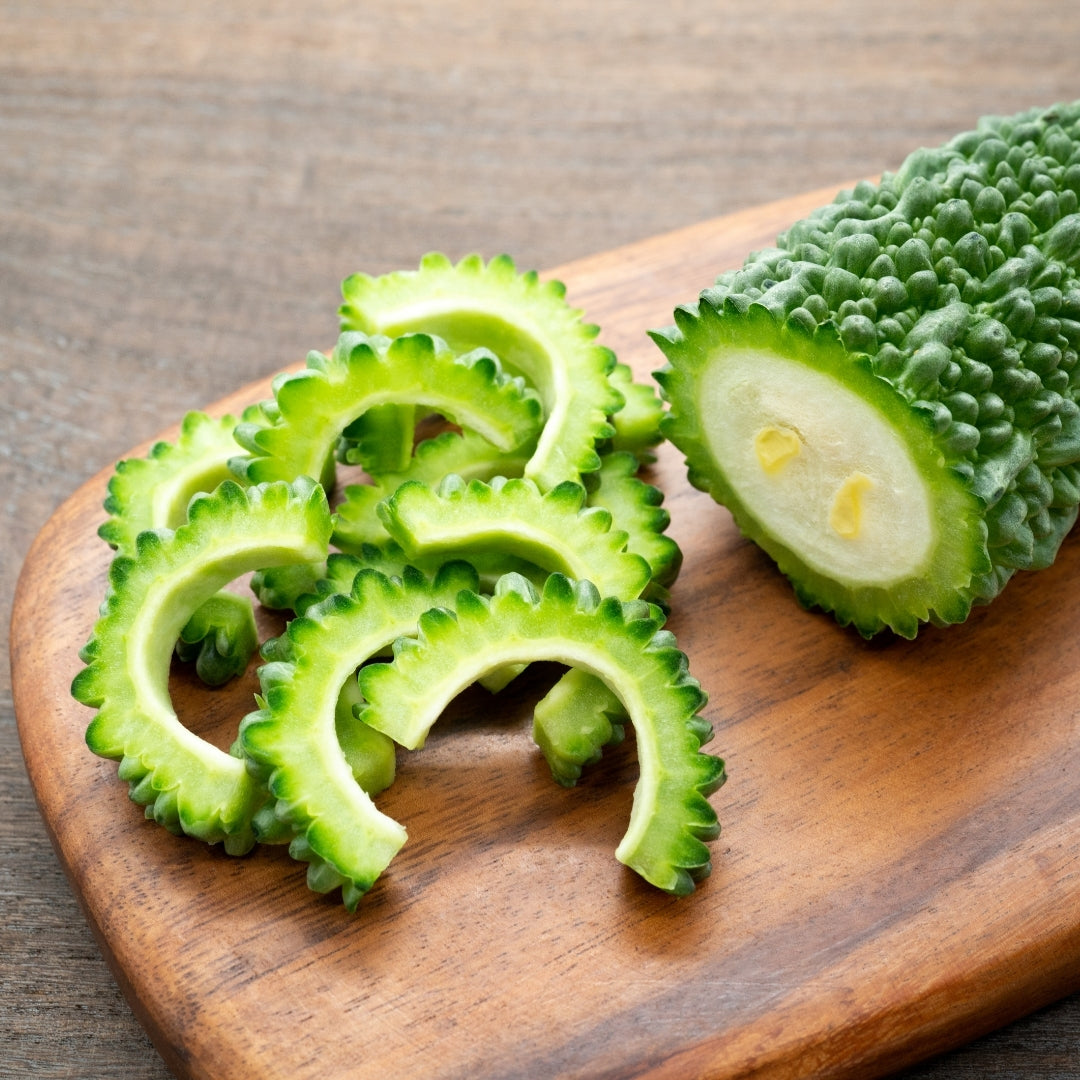
Start by washing the karela and cutting it into slices or lengthwise pieces. Most people remove the seeds and inner part to reduce bitterness.
If you want to make it milder, you can mix the slices with salt, leave it for 15–20 minutes, then squeeze and rinse. This step helps a lot.
For cooking, karela is usually made as a sabzi with onion and basic spices. Adding a little jaggery or amchur can balance the bitterness. Stuffed karela is also a popular option, where it’s filled with masala and cooked slowly.
Some people also make karela chips or even juice, but juice should be taken in small amounts.
Store whole karela at room temperature for a couple of days, or keep it in the fridge where it lasts about a week. Once cut, use it quickly.

FAQs


Can't find what you're looking for? Reach out to us directly and our team will get back to you promptly.

Can bitter gourd help manage blood sugar levels?

Multiple studies have found that compounds in bitter gourd - including charantin and polypeptide-p - can help lower blood glucose levels. It is a vegetable that nutritionists and Ayurvedic practitioners frequently recommend for people managing type 2 diabetes as a dietary support measure. It is not a substitute for prescribed medical treatment, and people on diabetes medication should consult their doctor before consuming it in significant quantities, as it can have an additive blood sugar-lowering effect.

How do I make bitter gourd less bitter without losing its health benefits?

The most effective methods are: removing the seeds and inner pith before cooking (they are the most bitter parts), rubbing with salt and resting for 15–20 minutes then squeezing and rinsing, and cooking with balancing ingredients like jaggery, tamarind, or dry mango powder. These techniques reduce the bitterness to a manageable level while retaining the majority of the vegetable's active medicinal compounds.

Is organic bitter gourd more medicinally effective than conventional karela?

The bitter compounds and active medicinal compounds in karela - charantin, polypeptide-p, and others - are part of the plant's natural chemistry and are produced as part of its normal biological processes. Organic growing conditions, which allow the plant to develop fully without synthetic inputs altering its natural chemistry, are likely to produce a plant with a more intact and complete expression of its natural compound profile. Chemical inputs can disrupt the plant's natural chemistry in ways that are difficult to fully quantify.

Is karela juice safe to drink?

Karela juice made from non-bitter karela (all karela is bitter, but wild or abnormally bitter varieties should be avoided) consumed in small, moderate amounts is safe for most adults. Large quantities can cause abdominal cramping and should be avoided. People with G6PD deficiency (a genetic enzyme condition) should avoid bitter gourd. Pregnant women should avoid consuming large amounts. Children should not be given karela juice without medical guidance.

What is the difference between the two common varieties of bitter gourd - the long, lighter green and the shorter, darker warty variety?

Indian bitter gourd (the long, lighter green, ridged variety) tends to be mildly bitter and is the most common variety in Maharashtra. The shorter, darker, more heavily warted variety (sometimes called Chinese bitter gourd) is typically more intensely bitter. Both are nutritious and medicinally active. For those new to cooking with karela, the longer, lighter variety is a more approachable introduction to the vegetable's flavour.