Skip to product information
1 of 3

My Store

Organic Cluster Beans (Gawar)

Organic Cluster Beans (Gawar)

Regular price Rs. 65.00
Regular price Sale price Rs. 65.00
Sale Sold out
Weight
Quantity

Product Description

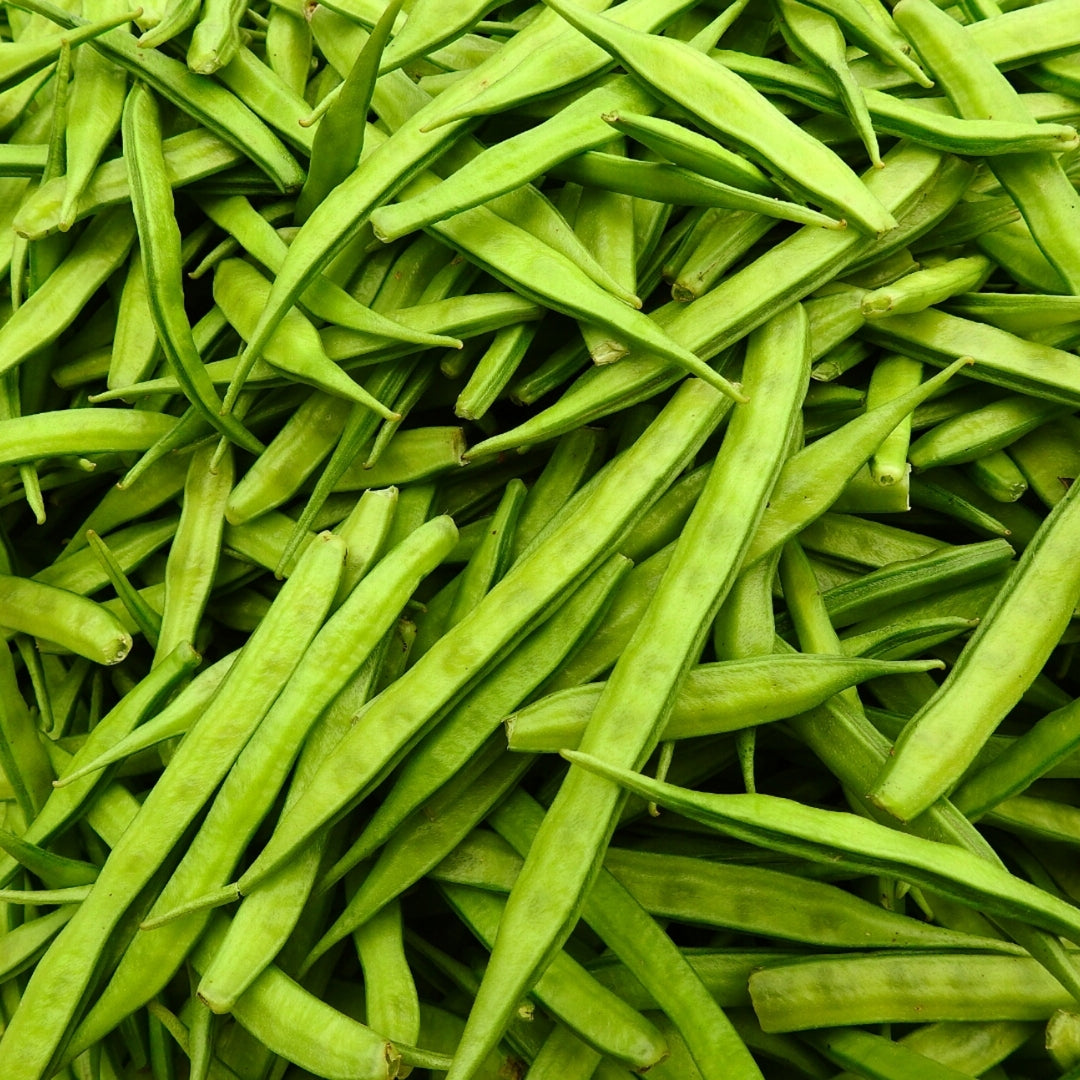
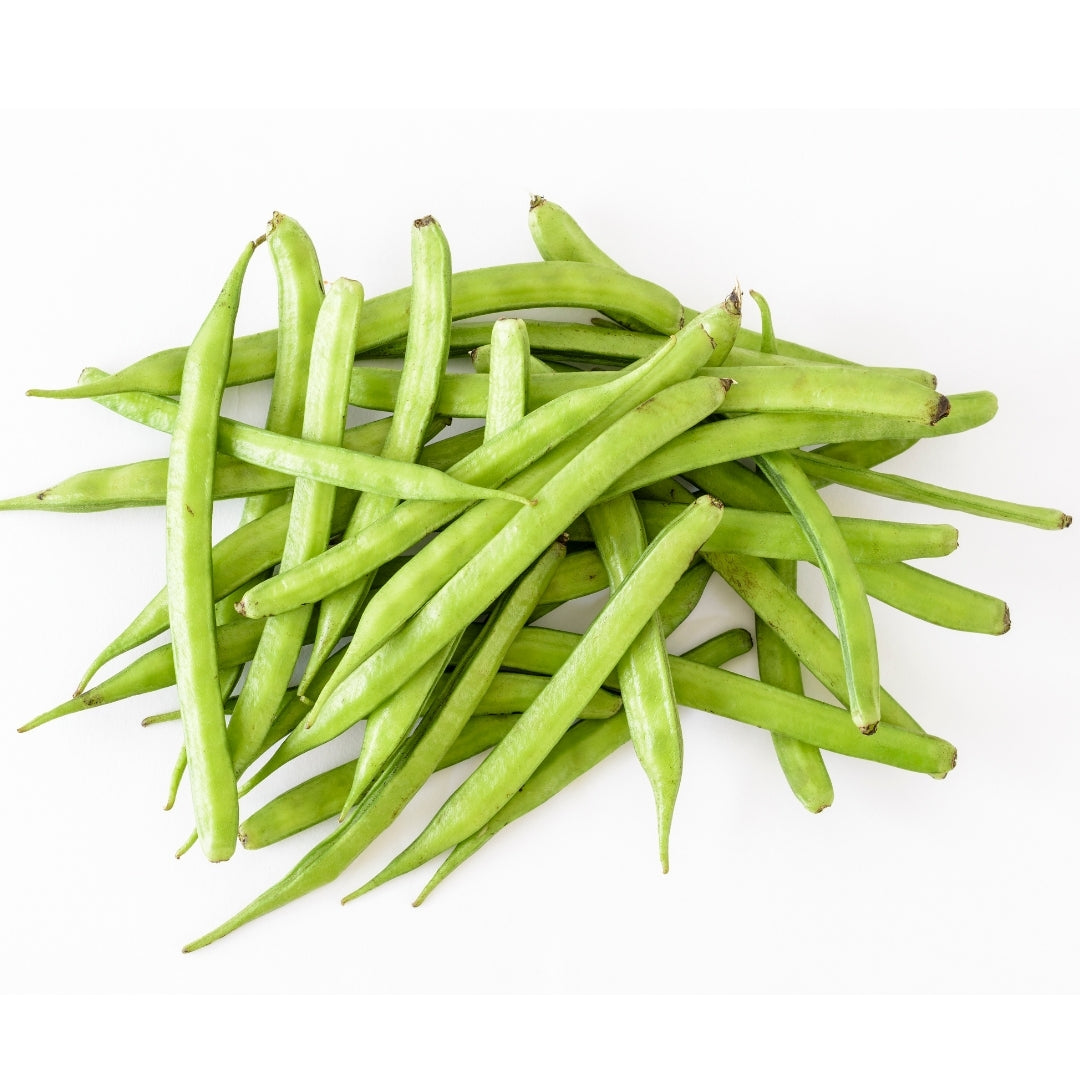
Cluster Beans, or Gawar, is a fiber-rich vegetable known for its slightly bitter and nutty taste. Prakriति Organics ensures fresh, organically grown cluster beans that retain their natural nutrients. They are excellent for digestion, help regulate blood sugar levels, and improve heart health. Gawar beans are commonly used in Indian curries and stir-fried dishes.

Farm Location: Pune

Tips to Store Organic Cluster Beans / Gawar

  • Store in a cool, dry place or the refrigerator.
  • Keep in a cloth or paper bag to retain freshness.
  • Use within 4-5 days for the best texture.

Benefits of Organic Cluster Beans / Gawar

  • Rich in fiber and essential minerals.
  • Supports digestion and heart health.
  • Free from synthetic pesticides and harmful chemicals.
View full details

Featured Products

Gawar (cluster beans) is one of those vegetables that people usually grow up with - especially in Maharashtrian and Gujarati homes. If you’ve had it before, you’ll recognise its slightly bitter taste and firm texture right away. If not, it might feel a bit different at first, but it’s something many people really enjoy once they get used to it.
At Prakritii Organics, our gawar is grown without chemical pesticides or fertilisers. It’s a hardy crop that doesn’t need much water, so it grows quite well in natural conditions.
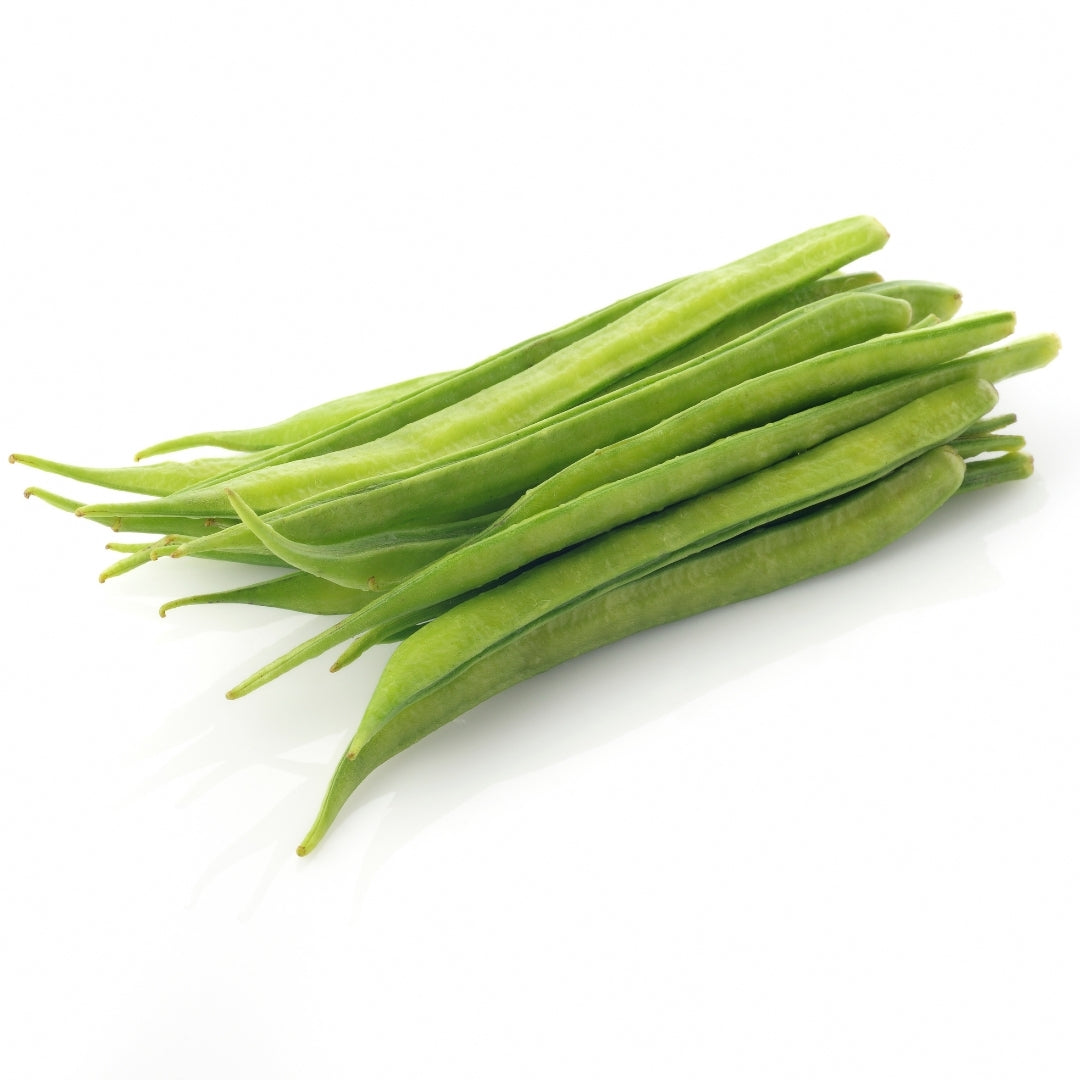
The beans you receive are fresh, green, and tender - not too thick or dried out.

Fresh organic cluster beans (gawar) from Pune farm to Navi Mumbai

Why Families Prefer Prakritii Organics

Fresh, naturally grown produce sourced with care for families who value clean and mindful eating.

Regular Market Produce

Naturally grown and carefully sourced produce
No artificial ripening for selected fruits
Naturally fresh taste and texture
Farm-to-home freshness
Carefully selected quality produce
Fresh organic cluster beans (gawar) from Pune farm to Navi Mumbai

Health Benefits & Nutrition

Gawar is known for being high in fibre, which helps with digestion and keeps you full for longer.
It’s also often included in diets focused on managing blood sugar, because it digests slowly. Along with that, it gives you some iron, calcium, and a bit of plant protein compared to other vegetables.
The slight bitterness it has is actually considered useful for digestion in traditional cooking.

How to Use & Storage

First, wash the beans, trim both ends, and cut them into small pieces.
The most common way to cook gawar is a simple dry sabzi. Cook it with mustard seeds, a pinch of hing, turmeric, and salt. Let it cook slowly until soft. At the end, a little lemon juice or amchur helps balance the bitterness.
You can also cook it with potato if you want a milder taste. Some people lightly boil it first to reduce bitterness, but that’s optional.
It also works in gravy dishes or even in sambar if you want to try something different.
For storage, keep gawar in the fridge in a loose bag or container. It stays fresh for about 3–4 days. Don’t wash before storing - wash only before cooking.

FAQs


Can't find what you're looking for? Reach out to us directly and our team will get back to you promptly.

Why is gawar slightly bitter and how do I reduce it?

Cluster beans naturally contain mild bitter compounds that are part of their flavour character and are associated with their digestive and metabolic benefits. To reduce bitterness, blanch the cleaned beans in lightly salted boiling water for 2–3 minutes before proceeding with the main cooking. Adding a squeeze of lemon juice, tamarind, or dry mango powder during cooking also balances the bitterness naturally. Some people prefer the full bitter flavour - it is a matter of personal preference.

Is gawar good for diabetes management?

Gawar's galactomannan fibre has been studied for its ability to slow glucose absorption in the digestive tract and moderate post-meal blood sugar levels. It is frequently recommended by nutritionists as a vegetable worth including regularly in a diet designed to support blood sugar management. It is a dietary support measure and should not replace prescribed medical treatment.

What is the difference between gawar (cluster beans) and French beans?

Both are pod vegetables, but they are botanically distinct and have very different flavour profiles. Gawar is slightly bitter and astringent with a firmer texture that requires longer cooking. French beans are mild, sweet, and cook more quickly. Gawar is a drought-hardy leguminous crop; French beans are from a different plant family. Their nutritional profiles also differ - gawar has a higher soluble fibre and protein content.

How do I select fresh gawar?

Fresh organic gawar should be uniformly green with no yellowing, firm along the entire length of the pod, and slightly rough in texture from the fine hair-like fibres on the pod surface. Avoid pods that are yellowing, shrivelled, or have obvious insect damage. The beans inside should be small and undeveloped - visible seed bumps along the pod indicate the beans are maturing and the pod will be tougher.

Can cluster beans be used in any preparations other than sabzi?

Yes - gawar can be added to sambar and rasam for a traditional South Indian preparation, cooked into a thin gravy for a curry with roti, incorporated into a Gujarati-style dal, or added to mixed vegetable preparations. It is also used in dried form (gawar ki phali dried and stored for off-season cooking in Rajasthan). Its strong flavour pairs best with equally bold spicing.