Skip to product information
1 of 1

My Store

Organic Mataki (Moth Beans)

Organic Mataki (Moth Beans)

Regular price Rs. 150.00
Regular price Sale price Rs. 150.00
Sale Sold out
Weight
Quantity

Product Description

Mataki, also known as Moth Beans, is a protein-rich legume commonly used in Maharashtrian dishes like usal. It is packed with fiber, iron, and essential nutrients. Prakriति Organics ensures that our Mataki is grown without harmful chemicals, preserving its natural flavor.

Farm Location: Pune

Tips to Store Organic Mataki

  • Store in an airtight container to maintain freshness.
  • Keep in a cool, dry place.

Benefits of Organic Mataki

  • Rich in protein and essential minerals.
  • Helps in digestion and boosts immunity.
  • 100% free from synthetic pesticides.
View full details

Featured Products

Mataki, also called matki or moth beans, is something a lot of Maharashtrian households are very familiar with. If you’ve ever had misal pav or usal, you’ve already eaten it. It’s one of those ingredients that feels very local and homely.
At Prakritii Organics, this mataki comes from farms in Maharashtra where it’s grown without chemical fertilisers or pesticides. It’s kept clean and natural. For people already trying to switch to organic vegetables or searching for better options like organic vegetables in Mumbai or organic vegetables in Pune, this is just another step in that same direction.
Mataki is not just about taste, it’s also one of those crops that grows easily even with less water, which makes it a practical choice for farmers too.

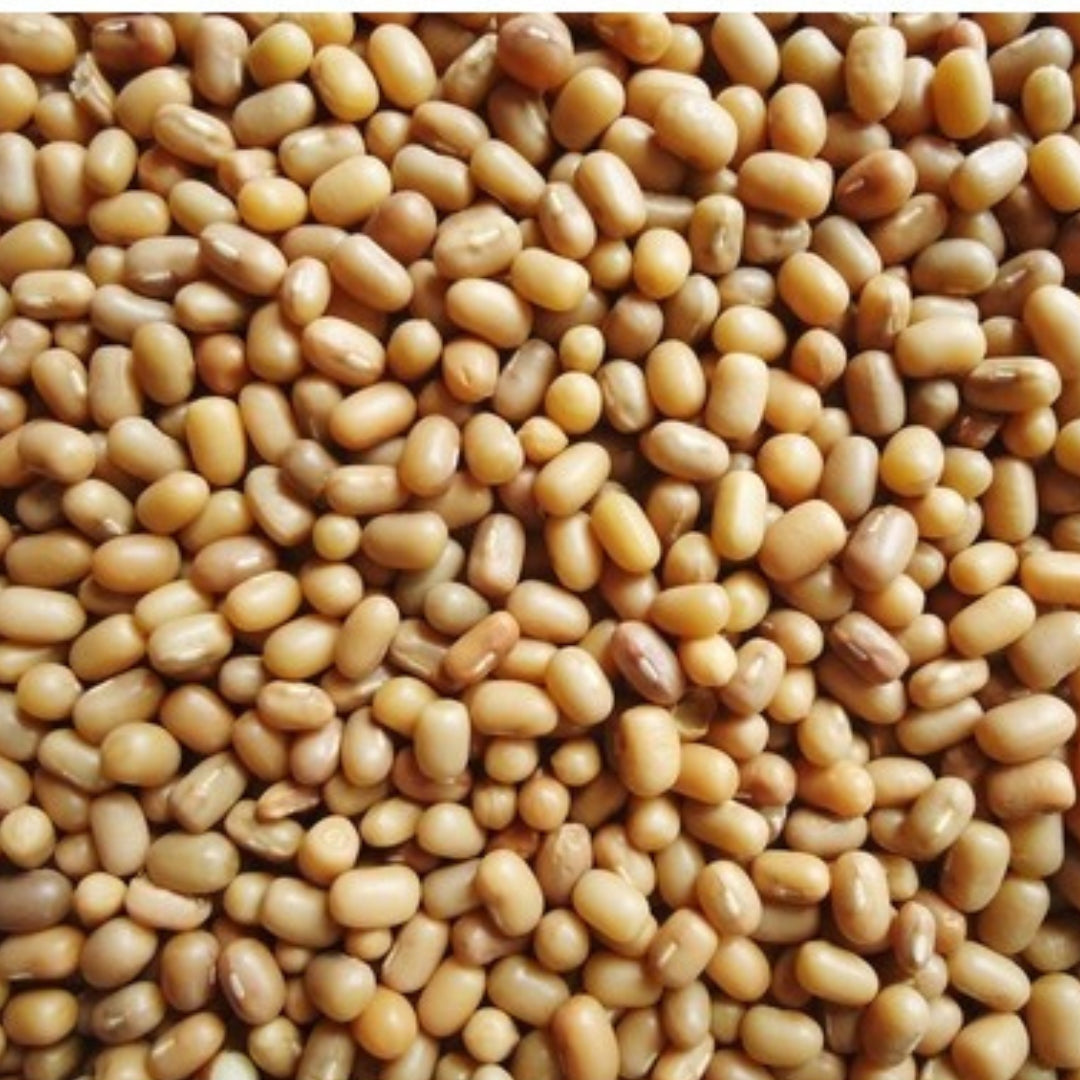
Bulk organic mataki beans, whole and raw, perfect for healthy cooking and meal prep

Why Families Prefer Prakritii Organics

Fresh, naturally grown produce sourced with care for families who value clean and mindful eating.

Regular Market Produce

Naturally grown and carefully sourced produce
No artificial ripening for selected fruits
Naturally fresh taste and texture
Farm-to-home freshness
Carefully selected quality produce
Bulk organic mataki beans, whole and raw, perfect for healthy cooking and meal prep

Health Benefits & Nutrition

Mataki is quite filling and gives steady energy, which is why it’s often used in meals that need to keep you going for longer.
It has a good amount of protein and fibre, along with iron and other basic nutrients. That makes it useful for regular meals, especially if you’re trying to eat simple and balanced food.
When you sprout mataki, it becomes lighter and easier to digest. That’s why most traditional recipes like misal use sprouted mataki instead of raw.

How to Use & Storage

The most common way to use mataki is by sprouting it. Just soak it overnight, drain the water, and keep it covered for a day or so. Once it sprouts, you can cook it for misal or usal.
If you don’t want to sprout it, you can still soak and pressure cook it, then use it in sabzi or curry.
It takes a little time compared to quicker dals, but the taste is quite different and worth it.
For storage, keep it in an airtight container in a dry place. It stays good for months if stored properly.

FAQs


Can't find what you're looking for? Reach out to us directly and our team will get back to you promptly.

Do I need to sprout mataki before cooking for misal?

Traditional Maharashtrian misal uses sprouted mataki — soaking overnight and sprouting for 24–36 hours before cooking. The sprouting process improves digestibility, increases nutritional value, and produces the distinctive texture and flavour of authentic misal. Unsprouted mataki produces a different result.

How long do mataki beans take to sprout?

After an 8–10 hour soak, mataki sprouts begin to appear within 18–24 hours at room temperature. Short, tender sprouts for misal are ready in 24–36 hours. Rinse with water every 8 hours during sprouting to prevent bacterial growth.

Is organic mataki available only in Maharashtra?

Mataki is grown primarily in Maharashtra and parts of Rajasthan. Prakritii Organics sources our organic mataki from Maharashtra farms and delivers across India, including Mumbai, Navi Mumbai, Pune, and major cities nationwide.

Can mataki beans be eaten without sprouting?

Yes. Pressure-cooked unsprouted mataki (after soaking for 4–6 hours) can be used in sabzi, salads, and soups. However, sprouting improves digestibility and nutritional value significantly, and is recommended whenever time allows.

Is mataki suitable for diabetics?

Yes. Mataki beans have a low glycaemic index and high protein and fibre content — a combination that slows glucose absorption and helps maintain stable blood sugar levels. They are among the most diabetes-friendly pulses in the Maharashtrian kitchen.