Skip to product information
1 of 3

My Store

Organic Nachni (Finger Millet/Ragi)

Organic Nachni (Finger Millet/Ragi)

Regular price Rs. 65.00
Regular price Sale price Rs. 65.00
Sale Sold out
Weight
Quantity

Product Description

Nachni, or ragi, is a superfood rich in calcium, iron, and fiber. It is ideal for making Bhakri, porridge, or nutritious drinks. Prakriति Organics ensures that our Nachni is grown naturally, making it a healthy choice for all ages.

Farm Location: Pune

Tips to Store Organic Nachni

  • Keep in a dry, airtight container.
  • Store in a cool place to retain freshness.

Benefits of Organic Nachni

  • Strengthens bones and improves digestion.
  • High in fiber and naturally gluten-free.
  • Grown without synthetic pesticides.
View full details

Featured Products

Nachni, also called ragi or finger millet, is one of those traditional grains that many of us grew up seeing at home but slowly got replaced by wheat and rice. Now it’s making a comeback — and for good reason.
At Prakritii Organics, this nachni comes from farms in Maharashtra where it’s grown the old way, without chemical fertilisers or pesticides. It’s a hardy crop, doesn’t need much water, and farmers have been growing it like this for generations.
If you’re already trying to switch to better food choices — whether that’s organic vegetables, organic vegetables in Mumbai, or even searching for organic fruits and vegetables near me — adding nachni to your kitchen is a simple and practical step.
It’s not fancy. It’s just real food that’s always been there.

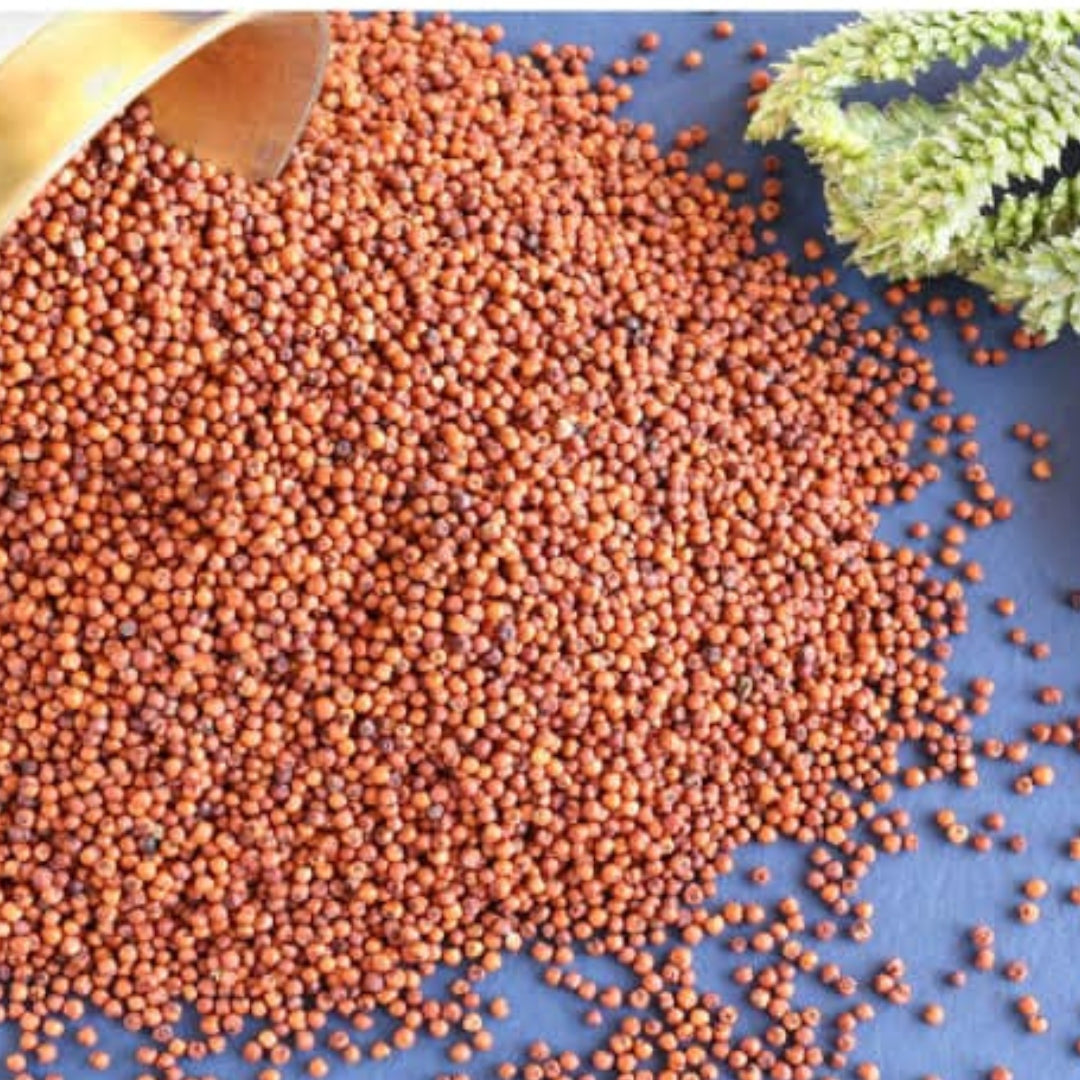
My Store organic nachni online whole grains displayed on a blue background

Why Families Prefer Prakritii Organics

Fresh, naturally grown produce sourced with care for families who value clean and mindful eating.

Regular Market Produce

Naturally grown and carefully sourced produce
No artificial ripening for selected fruits
Naturally fresh taste and texture
Farm-to-home freshness
Carefully selected quality produce
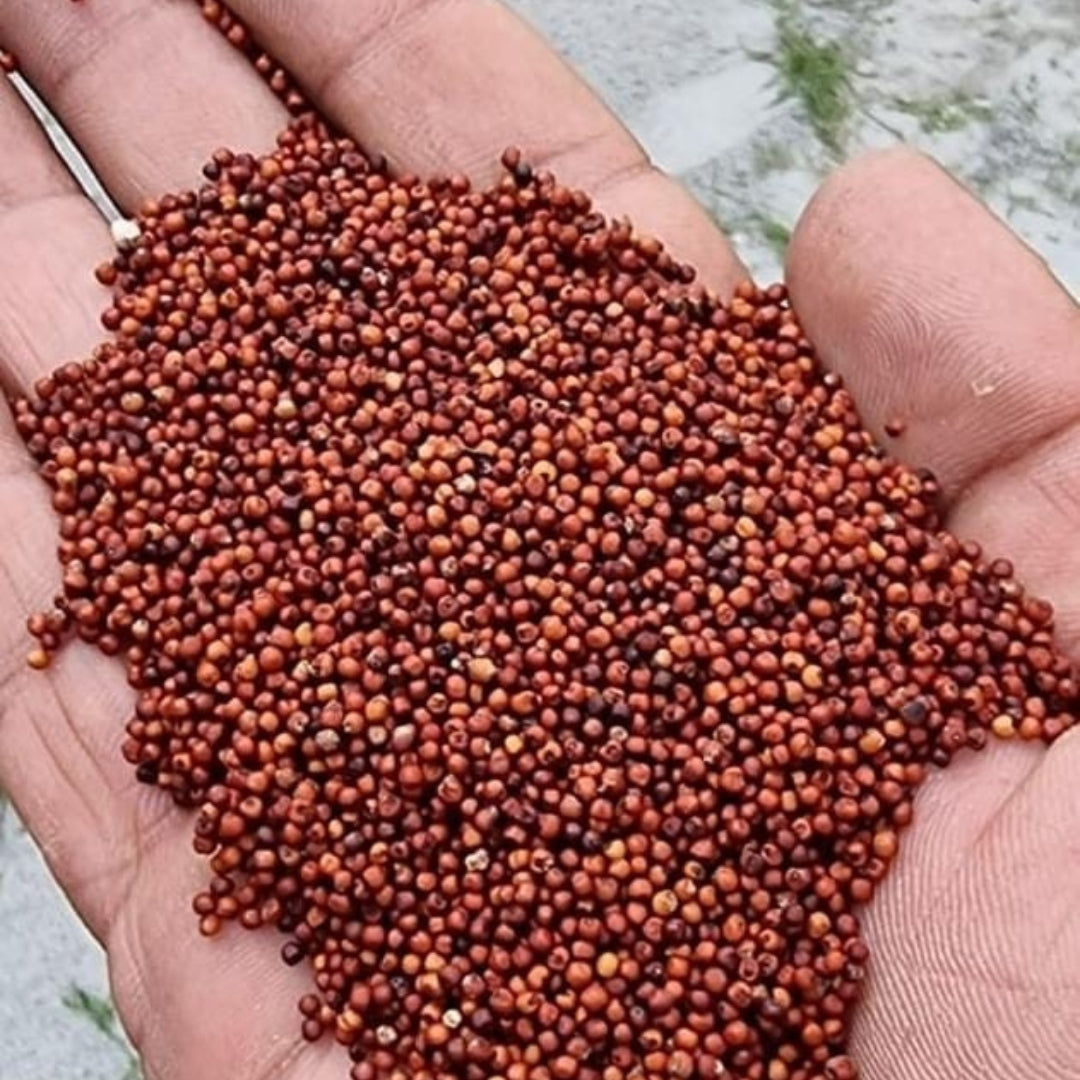
My Store organic nachni online whole grains displayed on a blue background

Health Benefits & Nutrition

The first thing people usually hear about nachni is calcium — and yes, it’s genuinely high. Much more than most grains we eat daily.
That’s why it’s often recommended for kids, older adults, and anyone who needs to take care of bone health. Even in traditional homes, nachni was given to growing children or new mothers.
It also has fibre, some iron, and keeps you full for longer compared to refined grains. So if you’re trying to eat lighter but still stay full, it helps.
Another thing — it doesn’t spike blood sugar quickly, which is why many people include it in a balanced diet.

How to Use & Storage

Nachni is quite versatile once you get used to it.
The most common way is making bhakri. It takes a little practice, but once you get it right, it becomes part of your routine. Many people also mix nachni flour with wheat flour in the beginning — that makes it easier.
You can also make porridge with it, especially for breakfast. Some families still make nachni satva for babies, which is one of the oldest weaning foods.
If you like experimenting, nachni can even go into dosa batter or simple pancakes.
Store the grain or flour in an airtight container. Keep it dry and away from heat — especially the flour, since it doesn’t last as long as whole grains.

FAQs


Can't find what you're looking for? Reach out to us directly and our team will get back to you promptly.

How much calcium does nachni contain compared to milk?

Organic nachni contains approximately 344 mg of calcium per 100 grams, while full-fat milk contains approximately 125 mg per 100 ml. This makes nachni one of the most calcium-dense foods available — and a genuinely important calcium source for dairy-free and vegan diets.

Is nachni suitable for babies as a first food?

Yes. Nachni satva — nachni flour cooked to a smooth porridge with water or milk — is one of the most traditional and recommended first weaning foods in Maharashtra and South India. Its calcium, iron, and easily digestible starch make it an excellent nutritional choice for infants from 6 months onwards.

Can people with diabetes eat nachni?

Yes. Nachni has a low glycaemic index and high fibre content, both of which slow glucose absorption and help maintain stable blood sugar levels. It is among the most diabetes-friendly grains available and is actively recommended by many nutritionists for blood sugar management.

Is organic nachni from Prakritii the same as ragi?

Yes. Nachni and ragi are regional names for the same grain — finger millet. Nachni is the common name in Maharashtra and parts of North India; ragi is the name used in Karnataka, Andhra Pradesh, and Tamil Nadu.

How do I make nachni bhakri at home?

Mix nachni flour with hot water and knead into a smooth, pliable dough. Divide into portions, flatten each portion by hand on a damp surface or between two sheets of plastic, and cook on a hot, dry tawa for 2–3 minutes on each side until cooked through and slightly spotted. Serve with garlic chutney or thecha and a drizzle of cold-pressed oil or ghee.