Skip to product information
1 of 3

My Store

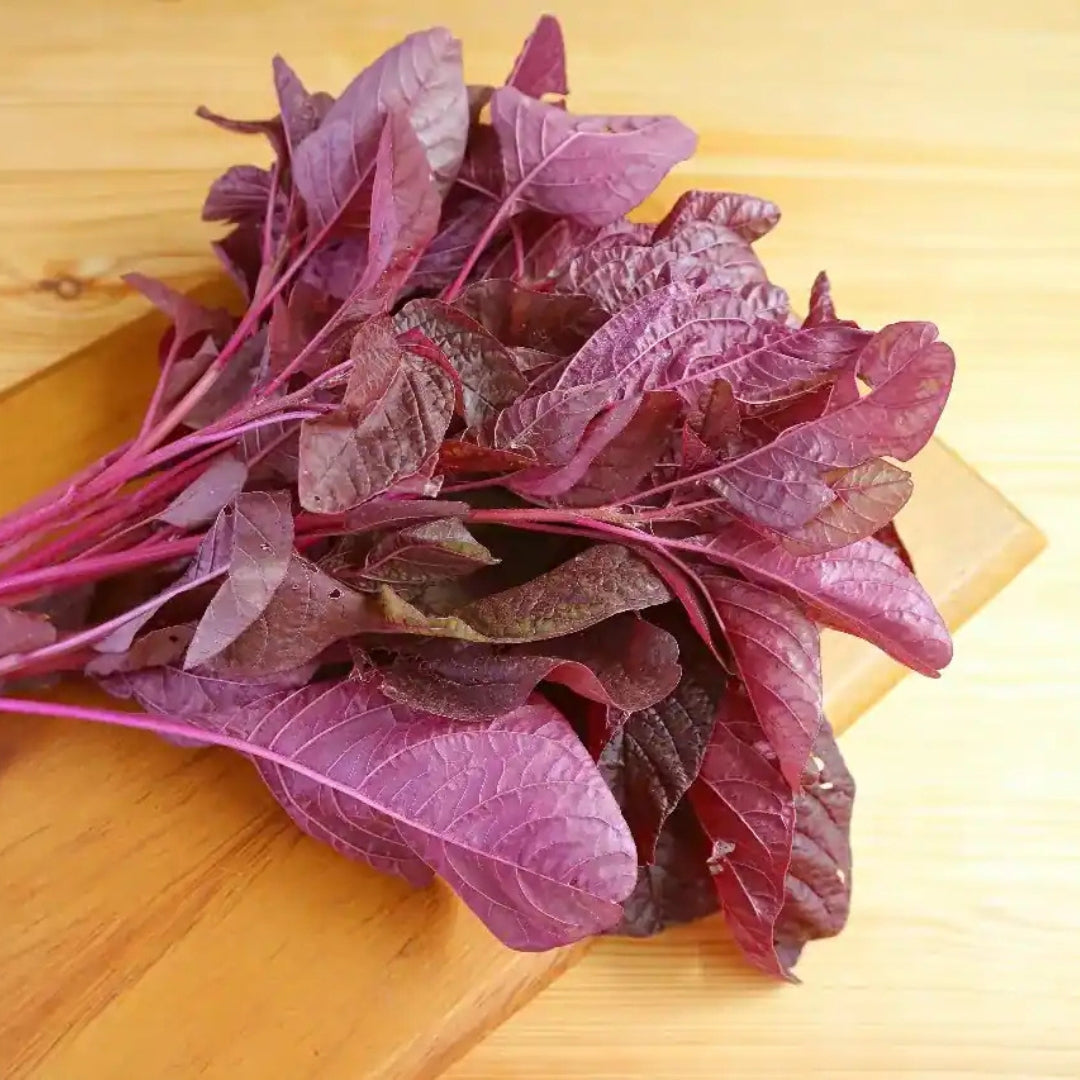
Organic Lal Math (Red Amaranthus)

Organic Lal Math (Red Amaranthus)

Regular price Rs. 60.00
Regular price Sale price Rs. 60.00
Sale Sold out
Bunch
Quantity

Product Description

Lal Math, or red Amaranthus, is a nutrient-dense leafy vegetable with a rich color and mild taste. Prakriति Organics grows it organically, ensuring a pesticide-free and fresh experience. Packed with iron, vitamin C, and antioxidants, it supports overall health.

Farm Location: Pune

Tips to Store Organic Lal Math / Red Amaranthus

  • Wrap in a damp cloth and store in the fridge.
  • Wash before use, not before storing.
  • Best consumed fresh for maximum nutrition.

Benefits of Organic Lal Math / Red Amaranthus

  • Improves blood circulation.
  • Supports heart and bone health.
  • Organically cultivated with no chemicals.
View full details

Featured Products

Lal math, or red amaranth, is one of those vegetables you instantly recognise in the market because of its deep red leaves. It’s been part of Maharashtrian cooking for generations — simple, everyday food that’s both tasty and nourishing.
At Prakritii Organics, this lal math is grown without chemical sprays or artificial fertilisers. Since leafy vegetables are something we eat regularly, choosing organic helps reduce the daily exposure to chemicals that often come with conventional produce.
If you’ve been trying to shift towards cleaner eating — maybe looking for organic vegetables in Mumbai or searching for organic fruits and vegetables near me — greens like lal math are a great place to start.

Fresh organic red amaranthus leaves piled together for salads and cooking

Why Families Prefer Prakritii Organics

Fresh, naturally grown produce sourced with care for families who value clean and mindful eating.

Regular Market Produce

Naturally grown and carefully sourced produce
No artificial ripening for selected fruits
Naturally fresh taste and texture
Farm-to-home freshness
Carefully selected quality produce
Fresh organic red amaranthus leaves piled together for salads and cooking

Health Benefits & Nutrition

Lal math is especially known for its iron content. It’s one of the better plant-based options if you’re trying to improve iron intake through everyday food.
It also contains vitamin C, which helps your body absorb that iron better — something many people don’t realise.
Apart from that, it provides fibre, calcium, and other nutrients that support digestion and general health. Many families include it regularly in meals for this reason alone — it’s simple food that does its job.

How to Use & Storage

The most common way to cook lal math is as a simple bhaji. Just chop the leaves and cook them with garlic, a little oil, and basic spices. It pairs perfectly with chapati or bhakri.
You can also add it to dal, mix it into khichdi, or combine it with other vegetables for a more filling dish.
When cooked, the leaves lose their bright red colour and turn darker — that’s completely normal.
For storage, keep it unwashed in the fridge in a loose bag or container. It stays fresh for about 3–4 days. Wash only before cooking.

FAQs


Can't find what you're looking for? Reach out to us directly and our team will get back to you promptly.

What is lal math in English?

Lal math is the Marathi name for red amaranth — a leafy vegetable from the Amaranthus species, specifically varieties with red or deep magenta-coloured leaves. Known as lal chaulai in Hindi, it is a traditional Indian leafy green with a long history in Maharashtrian cooking.

Why does lal math turn a different colour when cooked?

The red colour of lal math comes from betacyanin pigments that are heat-sensitive and shift in hue when exposed to cooking temperatures. The leaves move from bright red-magenta to a deep burgundy-purple when cooked — this colour change is entirely natural and does not indicate any loss of nutritional value.

Is lal math better than spinach for iron?

Organic red amaranth generally has a higher iron content than spinach per gram, and its accompanying vitamin C content helps improve iron bioavailability. For people specifically seeking iron-rich leafy greens, lal math is among the most effective options available in traditional Indian cooking.

Can lal math be eaten raw?

Yes, very tender young leaves of lal math can be eaten raw in salads — they have a mild, slightly earthy flavour when raw. Mature leaves are better cooked. As with all leafy greens, thorough washing before consumption is essential.

Is lal math available year-round from Prakritii?

Red amaranth is a seasonal crop, and availability may vary through the year. Prakritii Organics works with farmers to provide consistent availability during the growing season and will list the product as available when fresh, farm-harvested lal math is in stock. Check the website for current availability.