Skip to product information
1 of 2

My Store

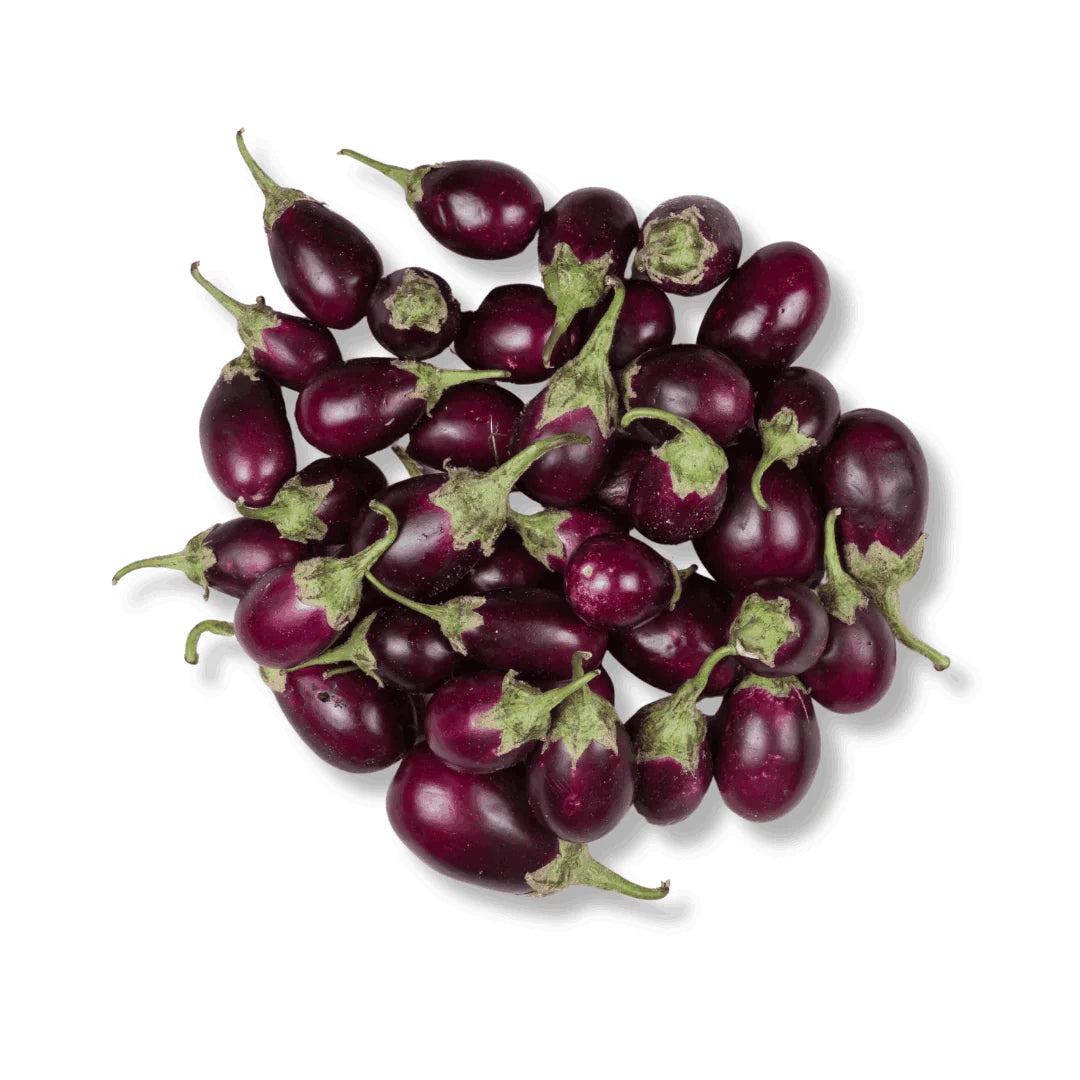
Organic Brinjal (Vangi)

Organic Brinjal (Vangi)

Regular price Rs. 40.00
Regular price Sale price Rs. 40.00
Sale Sold out
Weight
Quantity

Product Description

Brinjal, or Vangi (eggplant), is a versatile vegetable with a rich texture and mild flavor. Prakriति Organics offers fresh, organic brinjals that are free from harmful pesticides. Brinjal is high in fiber and antioxidants, supporting digestion and heart health. It is widely used in curries, roasted dishes, and stir-fries.

Farm Location: Pune

Tips to Store Organic Brinjal / Vangi

  • Store in a cool, dry place away from direct sunlight.
  • Do not store with bananas or apples to prevent ripening too fast.
  • Use within 4-5 days for the best taste.

Benefits of Organic Brinjal / Vangi

  • Rich in fiber and antioxidants.
  • Supports heart health and digestion.
  • Free from synthetic chemicals and pesticides.
View full details

Featured Products

Small brinjal (vangi) is a very familiar vegetable in Maharashtrian cooking. It’s especially used for dishes like bharli vangi and vangi bhaat - the kind of food many people have grown up eating at home.
At Prakritii Organics, these brinjals are grown without chemical pesticides or fertilisers. That matters because brinjal is usually one of the vegetables that gets sprayed a lot in regular farming.
The ones you receive are small, firm, and have smooth, shiny skin. This variety is different from the long brinjals - it has a slightly stronger taste and holds its shape better when cooked.

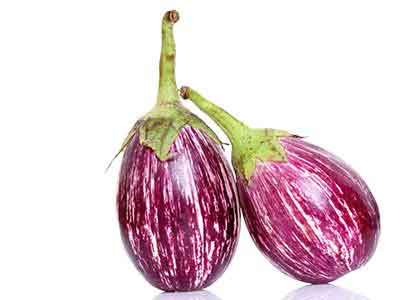
Two fresh organic big brinjal online with vibrant purple skin and green caps, perfect for healthy meals

Why Families Prefer Prakritii Organics

Fresh, naturally grown produce sourced with care for families who value clean and mindful eating.

Regular Market Produce

Naturally grown and carefully sourced produce
No artificial ripening for selected fruits
Naturally fresh taste and texture
Farm-to-home freshness
Carefully selected quality produce
Two fresh organic big brinjal online with vibrant purple skin and green caps, perfect for healthy meals

Health Benefits & Nutrition

Brinjal is a light vegetable but still useful nutritionally.
It has fibre, which helps digestion, along with small amounts of vitamins and minerals like potassium and folate. The purple skin also contains natural antioxidants, so it’s better not to peel it.
Since it’s low in calories, it works well as part of everyday meals.

How to Use & Storage

Small brinjal is best used in stuffed dishes. For bharli vangi, you make cuts in the brinjal, fill it with masala, and cook it slowly until soft.
It’s also used in vangi bhaat, where it’s cooked with rice and spices. You can roast it directly on the flame and mash it for bharta as well.
Always cook brinjal properly - it’s not eaten raw.
For storage, keep it at room temperature for a day or two, or in the fridge for up to 4–5 days. Try to use it soon after buying, as it doesn’t stay fresh for too long.

FAQs


Can't find what you're looking for? Reach out to us directly and our team will get back to you promptly.

Why is small brinjal better for bharli vangi than large brinjal?

Small, round vangi is the traditional and culinarily correct variety for bharli vangi because its compact size allows the masala to fill and flavour the entire vegetable evenly, and its firmer, more concentrated flesh holds its shape during slow cooking without collapsing. Large elongated brinjal has a different flesh texture and flavour profile that produces a noticeably different result in this specific preparation.

Is organic brinjal significantly different from conventional vangi in terms of pesticide residue?

Yes - brinjal is one of the most heavily pesticide-treated vegetables in Indian conventional agriculture due to its high susceptibility to shoot and fruit borer insects. Conventional vangi typically carries significant pesticide residue loads. Prakritii's organic small brinjal is grown without any synthetic pesticides, making it genuinely residue-free throughout.

Why does brinjal turn brown after cutting?

Cut brinjal oxidises when its flesh is exposed to air, producing a brown discolouration. This is a harmless chemical reaction, not a sign of spoilage. To prevent browning, submerge cut brinjal in a bowl of lightly salted water until ready to cook. Drain and pat dry before cooking - excess moisture can affect the texture of preparations like bharli vangi.

How do I select fresh small brinjal at the time of delivery?

Fresh small vangi should feel firm throughout with no soft patches when pressed gently. The skin should be glossy and taut - dull, wrinkled skin indicates the brinjal has lost moisture and freshness. The green stalk should be firm and fresh-looking, not shrivelled or dry. Any softness or off-smell indicates the vegetable is past its prime.

Can brinjal be eaten raw?

Raw brinjal is not typically consumed in Indian cooking and is not recommended as a raw food. It contains solanine - a naturally occurring alkaloid compound present in all members of the nightshade family - in small amounts that cooking neutralises. Thoroughly cooking brinjal ensures complete safety and also dramatically improves its flavour and texture.