Skip to product information
1 of 3

My Store

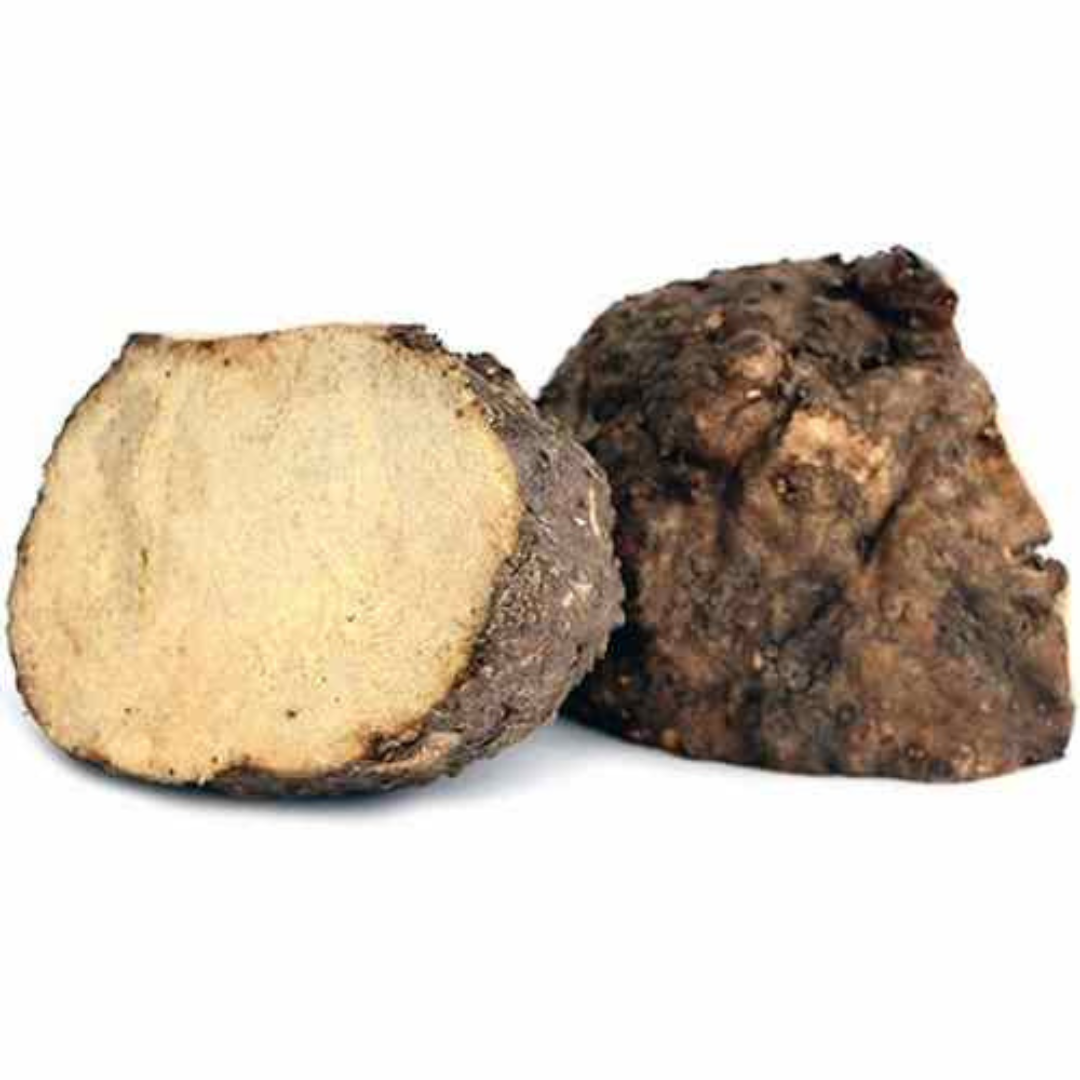
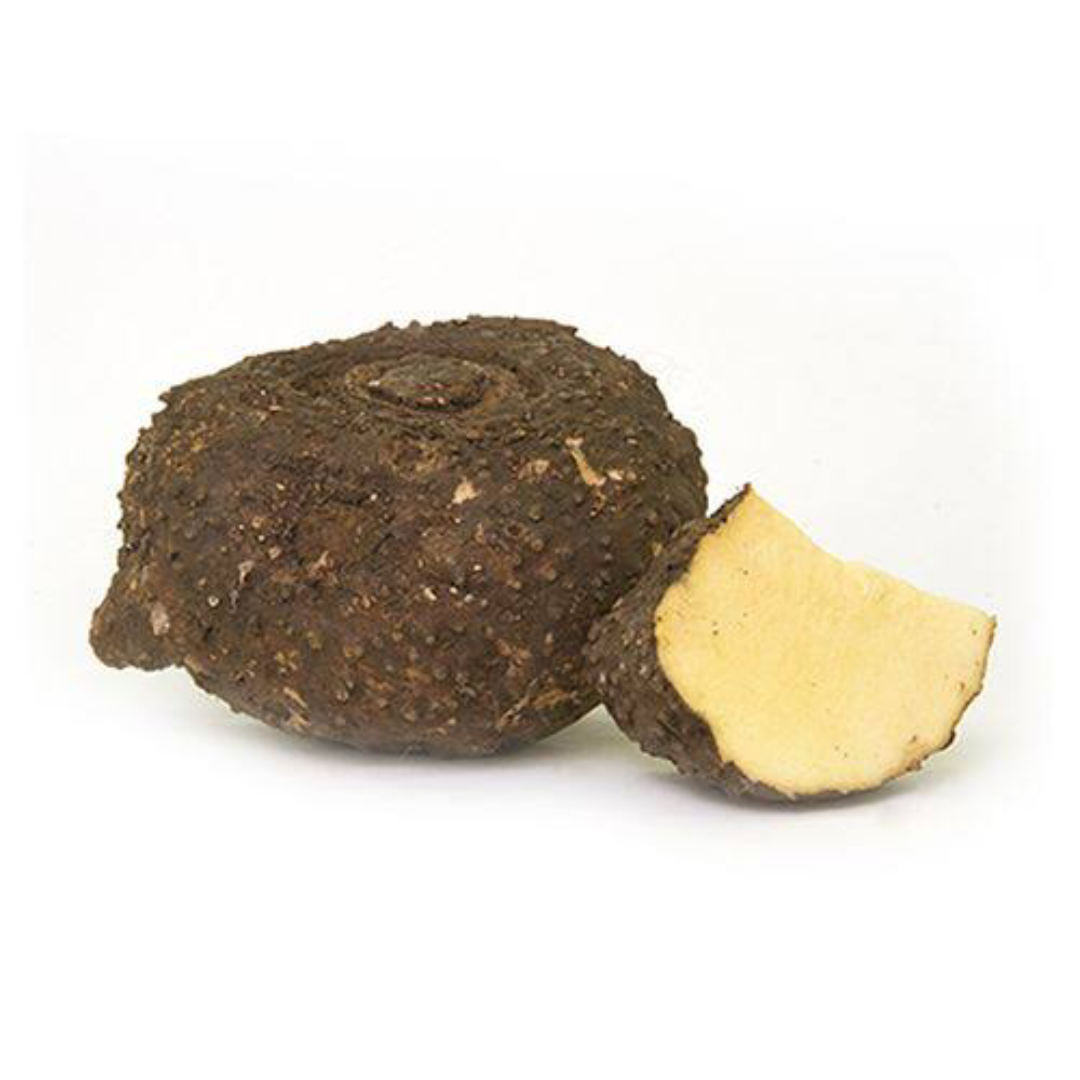
Organic Suran (Elephant Foot Yam)

Organic Suran (Elephant Foot Yam)

Regular price Rs. 50.00
Regular price Sale price Rs. 50.00
Sale Sold out
Weight
Quantity

Product Description

Suran is a nutrient-rich root vegetable known for its earthy flavor and versatility in cooking. It is high in fiber, vitamins, and antioxidants, making it a great choice for digestive health and immunity. Perfect for curries, stir-fries, and traditional Indian dishes.

Farm Location: Pune

Tips to Store Suran

  • Store in a cool, dry place to prevent sprouting.
  • Wrap in newspaper to maintain freshness for longer.

Benefits of Suran

  • Supports digestion and gut health.
  • Aids in managing blood sugar levels.
  • Rich in essential minerals like potassium and magnesium.
View full details

Featured Products

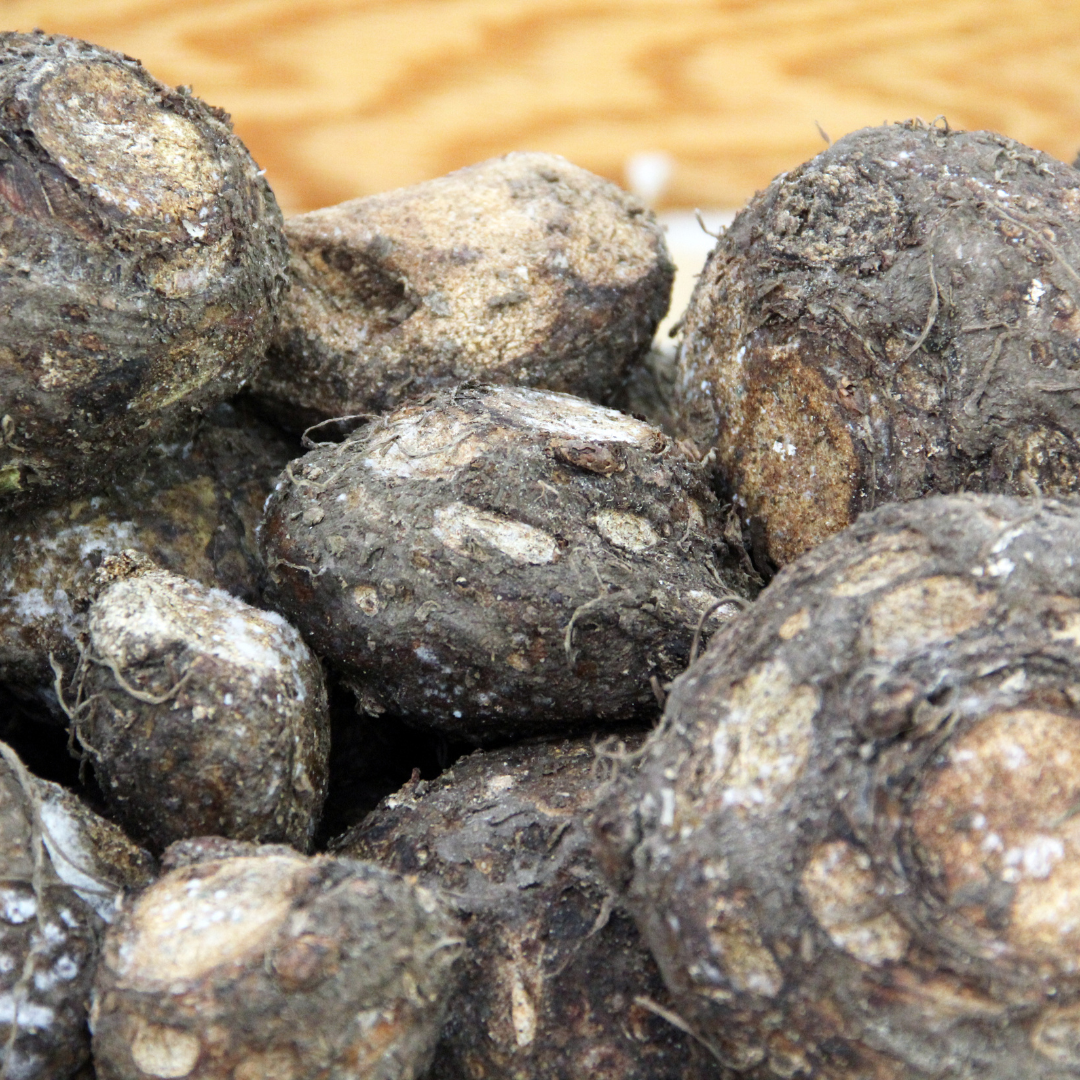
Suran (elephant foot yam) is one of those vegetables that looks a bit rough on the outside but turns into something really tasty once cooked properly. It’s commonly used in Maharashtrian and South Indian cooking, especially in traditional home-style dishes.
At Prakritii Organics, the suran is grown without chemical pesticides or fertilisers. Since it grows underground for a long time, keeping the soil clean makes a real difference in the quality of the vegetable.
The pieces you receive are firm, fresh, and good for everyday cooking if you know how to handle them right.

Fresh organic suran online with earthy skin and unique texture, perfect for healthy recipes

Why Families Prefer Prakritii Organics

Fresh, naturally grown produce sourced with care for families who value clean and mindful eating.

Regular Market Produce

Naturally grown and carefully sourced produce
No artificial ripening for selected fruits
Naturally fresh taste and texture
Farm-to-home freshness
Carefully selected quality produce
Fresh organic suran online with earthy skin and unique texture, perfect for healthy recipes

Health Benefits & Nutrition

Suran is a filling vegetable and works well as part of a balanced meal.
It contains fibre, which helps with digestion, and also provides nutrients like potassium and vitamin B6. Because it’s a starchy vegetable, it gives steady energy and keeps you full for longer.
Like most root vegetables, it’s best seen as a regular, nutritious addition to your diet rather than anything fancy or medicinal.

How to Use & Storage

Before anything else - always handle suran carefully.
Peel and cut it while wearing gloves if possible, because raw suran can cause itching on the skin. After cutting, it’s a good idea to soak the pieces in water with a little lemon juice or tamarind for 10–15 minutes.
For cooking, most people first boil or pressure cook it until soft, and then sauté it with mustard seeds, curry leaves, and spices to make a simple bhaji. It can also be used in curries or even mashed for cutlets.
The key thing is: always cook it fully. Never eat it raw.
For storage, keep the whole piece in a cool, dry place - it lasts about 1–2 weeks. Once cut, wrap it and store in the fridge, and try to use it within a couple of days.

FAQs


Can't find what you're looking for? Reach out to us directly and our team will get back to you promptly.

Why does suran cause itching on the skin when handled raw?

Raw suran contains calcium oxalate crystals - microscopic needle-shaped crystals that cause a prickling, itching irritation when they contact skin or mucous membranes. This is the same compound found in raw taro leaves and some other root vegetables. Wearing gloves when peeling and cutting raw suran prevents skin irritation. Cooking completely neutralises the calcium oxalate - cooked suran causes no irritation.

Is suran safe to eat after cooking?

Yes - thoroughly cooked suran is completely safe to eat and is widely consumed across Maharashtra, Kerala, and other parts of India where it is a traditional staple. The calcium oxalate crystals that cause irritation in the raw vegetable are neutralised by thorough cooking, particularly when cooked with an acidic ingredient like tamarind or lemon juice.

Why is tamarind or lemon added when cooking suran?

Adding tamarind or lemon juice to suran during cooking is a traditional and culinarily important step. The acidity of these ingredients helps neutralise the calcium oxalate compounds that remain in the flesh after peeling, reduces any residual throat irritation risk, and improves the overall safety and palatability of the final dish. It is a standard preparatory step in all traditional suran recipes.

Can suran be used to make cutlets or tikkis?

Yes - boiled and mashed suran makes an excellent base for cutlets and tikkis. Mix the mashed yam with chopped coriander, green chilli, ginger, salt, and a binding agent like breadcrumbs or rice flour, shape into patties, and shallow-fry until golden on both sides. The texture of suran makes it particularly well-suited for this application - it holds together better than many other root vegetables.

Is organic suran available year-round from Prakritii?

Suran is primarily harvested in specific seasons - it is most abundantly available during cooler months in Maharashtra and has a post-harvest storage period during which it remains available. Availability may vary through the year. Check the Prakritii website for current stock, and order during peak availability for the best quality and price.