Skip to product information
1 of 1

My Store

Organic Alu chi pan (Taro leaves)

Organic Alu chi pan (Taro leaves)

Regular price Rs. 45.00
Regular price Rs. 50.00 Sale price Rs. 45.00
Sale Sold out
Quantity

Bring home the authentic taste of Maharashtrian kitchens with our Organic Alu Chi Pan, also known as Taro Leaves. Hand-picked from organically grown farms near Navi Mumbai, these leaves are rich in iron, fiber, and essential minerals.

Whether you're making traditional Alu Wadi or a healthy stir-fry, our chemical-free taro leaves ensure freshness, purity, and the real taste of nature.

 Key Features:

  • Grown using 100% natural farming methods

  • Free from harmful pesticides & fertilizers

  • Rich in nutrients like calcium, iron & vitamin C

  • Delivered fresh to your doorstep

  • Ideal for Alu Wadi, curry, or steamed recipes

 Sourced From:
Certified organic farms in Maharashtra
 Delivery Available In:
Navi Mumbai, Panvel, Kharghar, Vashi, Nerul & nearby areas
View full details

Featured Products

Alu chi pan (taro leaves) is one of those ingredients that instantly reminds many Maharashtrian families of traditional home cooking. It’s not something used every day, but when it is, it usually means something special is being made — most commonly alu wadi.
At Prakritii Organics, these leaves are grown in Maharashtra using natural farming methods, without chemical sprays or fertilisers. Since leafy vegetables tend to absorb whatever is used during farming, choosing organic makes a noticeable difference here.
If you’re already trying to switch to cleaner eating — maybe adding more organic vegetables, searching for organic vegetables in Mumbai, or even looking up organic fruits and vegetables near me — including traditional greens like alu chi pan is a great way to bring back real, seasonal food into your meals.

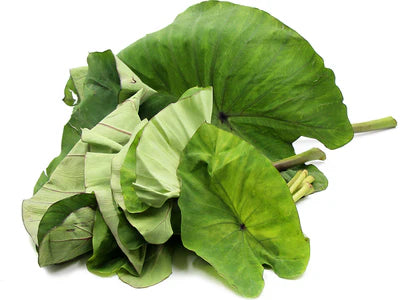
Fresh organic taro leaves piled together, showcasing their vibrant green color and unique shape

Why Families Prefer Prakritii Organics

Fresh, naturally grown produce sourced with care for families who value clean and mindful eating.

Regular Market Produce

Naturally grown and carefully sourced produce
No artificial ripening for selected fruits
Naturally fresh taste and texture
Farm-to-home freshness
Carefully selected quality produce
Fresh organic taro leaves piled together, showcasing their vibrant green color and unique shape

Health Benefits & Nutrition

Taro leaves are not as commonly talked about as spinach or methi, but they are quite nutritious.
They contain vitamin C, some iron, calcium, and fibre. They also have a good mix of other vitamins that support overall health.
One important thing to remember — these leaves should never be eaten raw. They need proper cooking, which removes the natural compounds that can otherwise cause irritation. Once cooked well, they are completely safe and actually very nourishing.

How to Use & Storage

The most popular dish made with alu chi pan is alu wadi. It takes a bit of time, but it’s worth it. The leaves are layered with a spiced besan paste, rolled, steamed, and then sliced and fried.
Apart from that, the leaves can also be used in simple gravies with coconut or added to certain traditional dishes in Maharashtrian and coastal cooking.
Always make sure they are cooked properly — that’s the key step.
For storage, keep the leaves in the fridge wrapped loosely in paper or cloth. Don’t wash them before storing. They’re best used within a couple of days while still fresh.

FAQs


Can't find what you're looking for? Reach out to us directly and our team will get back to you promptly.

What is alu chi pan in English?

Alu chi pan is the Marathi name for taro leaves — the large, arrow-shaped leaves of the Colocasia esculenta plant, known as arbi ke patte in Hindi. They are a traditional staple of Maharashtrian and Goan cooking, most famously used in alu wadi.

Are taro leaves safe to eat raw?

No. Raw taro leaves contain calcium oxalate crystals that cause severe throat irritation and discomfort. They must always be cooked thoroughly — through steaming, boiling, or cooking in a tamarind or yoghurt-based gravy — before eating. Once cooked, they are completely safe and highly nutritious.

Why should I choose organic taro leaves specifically?

As a large-leafed plant, taro absorbs whatever is present in the soil and on its surface — including pesticide residues from synthetic chemical farming. Organic taro leaves from Prakritii are grown without synthetic inputs, which means no chemical residues are present on the leaf surface or absorbed into the leaf tissue.

Can I use taro leaves in preparations other than alu wadi?

Yes. Taro leaves can be cooked into gravies with coconut and spices, added to dals, used in the South Indian preparation of patrode (similar to alu wadi), and incorporated into various coastal Maharashtrian and Goan recipes. They are a versatile cooking green beyond their most famous application.

How do I know if taro leaves are fresh when they arrive?

Fresh taro leaves should be a deep, uniform green colour with no yellowing, wilting, or brown spots at the edges. The leaves should feel firm and slightly waxy to the touch. Any yellowing indicates age and reduced nutritional quality.