Skip to product information
1 of 3

My Store

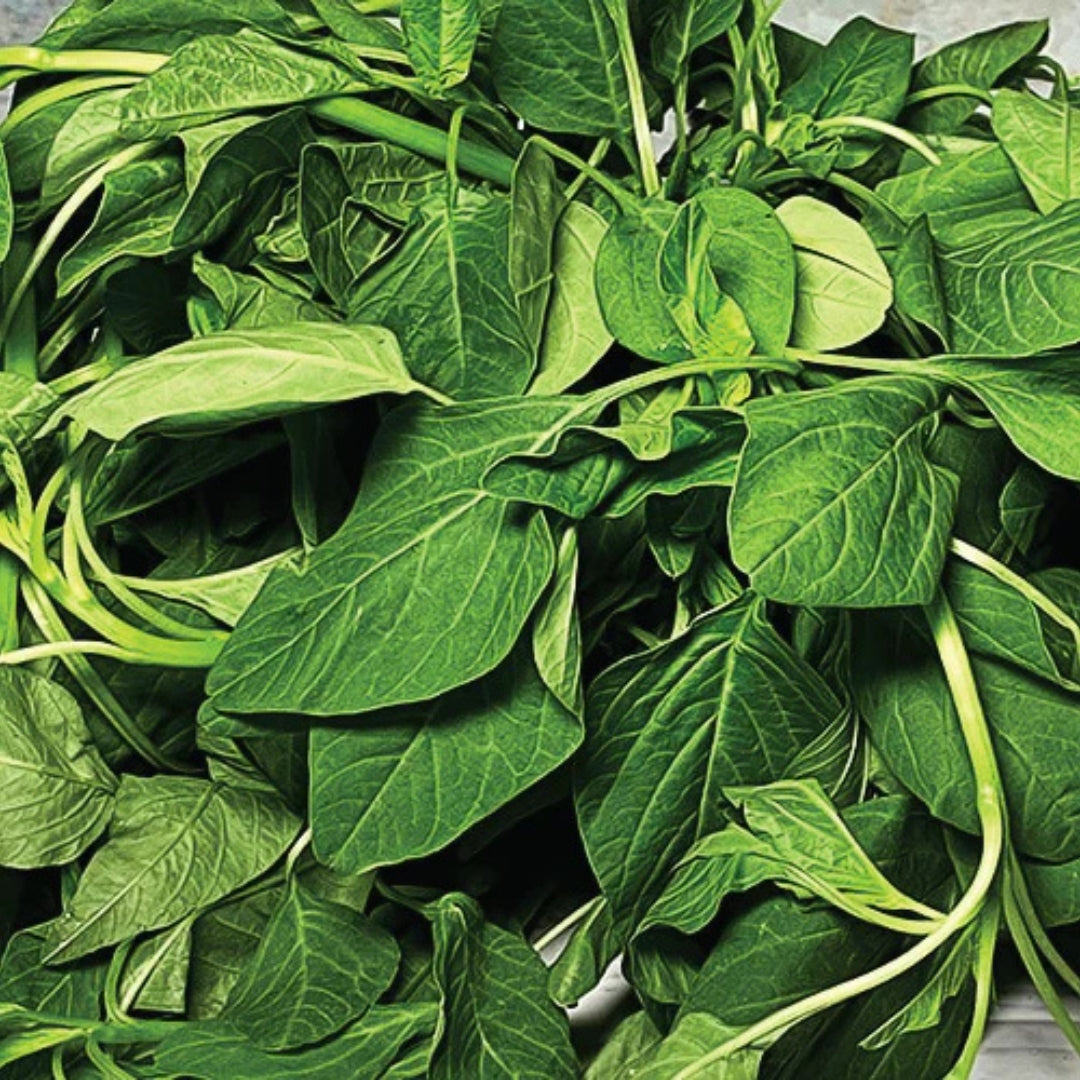
Organic Rajgira Bhaji (Amaranth Greens)

Organic Rajgira Bhaji (Amaranth Greens)

Regular price Rs. 60.00
Regular price Sale price Rs. 60.00
Sale Sold out
Bunch
Quantity

Product Description

Rajgira Bhaji, also known as amaranth greens, is a nutrient-rich leafy vegetable commonly used in Indian cuisine. Prakriति Organics cultivates Rajgira Bhaji organically, ensuring a chemical-free, fresh, and healthy choice for your meals. This powerhouse green is loaded with iron, calcium, and fiber, making it excellent for boosting immunity and strengthening bones. It has a mild, slightly earthy taste and can be used in stir-fries, dals, or parathas.

Farm Location: Pune

Tips to Store Organic Rajgira Bhaji

  • Store in a breathable bag inside the refrigerator.

  • Avoid washing before storage to prevent moisture damage.

  • Use within 5-7 days for maximum freshness and taste.

Benefits of Organic Rajgira Bhaji

  • Rich in iron and calcium for strong bones.

  • Helps in digestion and improves gut health.

  • 100% organic and grown without synthetic pesticides.

View full details

Rajgira bhaji (amaranth leaves) is a very familiar vegetable in many Maharashtrian homes. It’s not fancy, but it’s one of those greens that people trust — something that’s been eaten for generations.
At Prakritii Organics, this rajgira is grown without chemical sprays or fertilisers on farms in Maharashtra. Since leafy vegetables are something we eat often, choosing a cleaner, organic option makes a practical difference in everyday meals.
If you’re already trying to improve your food choices — adding more organic vegetables, looking for organic vegetables in Mumbai, or even searching for organic fruits and vegetables near me — rajgira bhaji is one of the easiest traditional greens to bring back into your diet.

Fresh organic amaranth greens with vibrant leaves, perfect for salads and cooking

Health Benefits & Nutrition

Rajgira bhaji is known for being rich in iron, which is why many families include it regularly, especially for women or anyone dealing with low energy levels.
It also contains fibre, calcium, and vitamins that support overall health. One good thing about rajgira is that it naturally has some vitamin C as well, which helps the body absorb iron better.
It’s also considered a light and easy-to-digest green, which is why it’s often cooked simply and eaten as part of everyday meals.

How to Use & Storage

The most common way to cook rajgira bhaji is a simple stir-fry.
Just cook it with garlic, a little oil, green chilli, and salt. It cooks quickly and pairs well with chapati, bhakri, or even plain rice.
You can also add it to dal, mix it into khichdi, or use it in parathas if you want variety. Some people even make a light soup with it.
For storage, keep it in the fridge without washing. Wrap it loosely and use it within a few days for best taste and freshness. Wash it only before cooking.

FAQs


Can't find what you're looking for? Reach out to us directly and our team will get back to you promptly.

What is rajgira bhaji in English?

Rajgira bhaji is the Marathi name for amaranth greens — the tender leaves and young stems of the Amaranthus plant. Known as chaulai in Hindi, it is one of India's most ancient and nutritionally respected leafy vegetables, distinct from the rajgira seeds (also from the amaranth plant) used in fasting foods and laddoos.

Is rajgira bhaji the same as the rajgira used for fasting?

They come from the same amaranth plant, but rajgira bhaji refers specifically to the green leafy vegetable — the leaves and tender stems. The rajgira used for fasting foods and laddoos is the grain seed of the same plant, which is processed separately. Both are nutritious but used differently in the kitchen.

How does organic rajgira bhaji compare to spinach nutritionally?

Organic rajgira bhaji has a higher iron content than spinach per gram, and its iron is accompanied by vitamin C naturally present in the leaf — which improves iron absorption significantly. It also provides more protein than spinach per gram and has a more robust, less oxalic flavour that makes it easier to cook in larger quantities.

Can rajgira bhaji be eaten by people with anaemia?

Yes — amaranth greens are among the most recommended dietary additions for iron-deficiency anaemia because of their high plant-based iron content combined with natural vitamin C, which enhances iron absorption. Eating rajgira bhaji regularly with a squeeze of lemon maximises this benefit further.

Why does Prakritii's organic rajgira bhaji look darker and more vibrant than market varieties?

The deeper colour of organic rajgira comes from healthier, more mineral-rich soil and the absence of chemical inputs that disrupt the plant's natural pigment production. Darker green leafy vegetables consistently indicate higher chlorophyll and nutrient content — the colour is not cosmetic, it is nutritional.